
25 Sept 2026 · 6 min read
The Impact of Out-of-Warranty EVs on Independent Workshops in 2026
Explore how the rise of out-of-warranty EVs presents unique opportunities for independent workshops in 2026.
EVS WorldwideRead
EVS Worldwide/Insights/Fleet & B2B
A parked EV is a depreciating asset with a payment plan. How fleet operators structure servicing so downtime, not distance, drives the maintenance calendar.
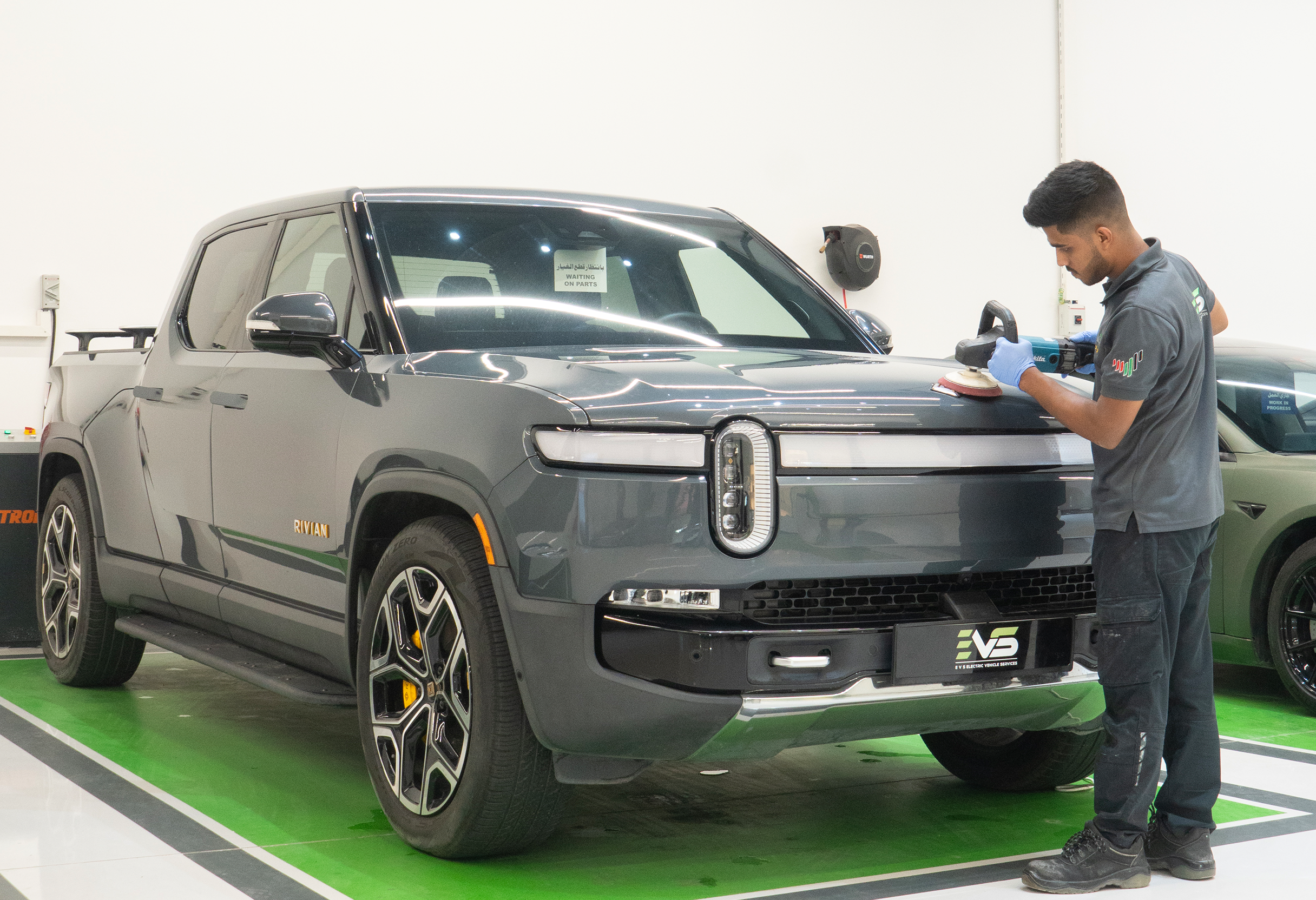
Fleet operators do not buy servicing. They buy uptime. The invoice may say tyres, coolant and a 12-volt battery, but what the operator is really paying for is a vehicle that is on the road at 07:00 tomorrow.
Electric fleets sharpen this. The vehicles cost more up front, so idle days hurt more. And because routine servicing is lighter, the events that do occur are lumpier — a pack fault takes a car off the road in a way an oil change never did.
1. Baseline every battery at induction. A measured state-of-health record on day one turns every later conversation — warranty, resale, rotation — from argument into arithmetic.
2. Run tyres on prediction, not inspection. EV torque and weight can shorten tyre life by a quarter or more. High-mileage fleets that pre-schedule tyre changes by telematics mileage bands avoid the single most common unplanned stop.
3. Consolidate the 12-volt estate. The humble auxiliary battery remains the top cause of an EV that will not start. It is cheap, predictable and almost always replaced too late.
4. Contract for response, not just price. The right SLA specifies triage time, courtesy capacity and parts-holding for your specific models. A cheap rate card with a three-week inverter lead time is not cheap.
| Commitment | Standard | Priority | Mission-critical |
|---|---|---|---|
| Diagnostic triage | 48 h | 24 h | Same day |
| Scheduled service slot | 5 days | 48 h | Reserved capacity |
| High-voltage fault response | Queue | 48 h | 24 h |
| Battery SoH reporting | Annual | Quarterly | Live via telematics |
| Courtesy capacity | — | On request | Guaranteed |
The tier names matter less than the arithmetic behind them: price each commitment against the daily revenue of the vehicle it protects, and the right tier chooses itself.
EVS fleet agreements are structured around those habits: induction health baselines, scheduled preventive slots, priority high-voltage diagnostics and reporting the operator's finance team can use. In fleet conversations across our markets, the pattern is consistent — the operators who treat the service partner as part of the revenue chain, not a cost line, run the highest utilisation.
01 / The research behind this
Fleet size, addressable service revenue, competition, incentives and a 90-day entry plan — free on request for qualified franchise enquiries.
02 / Related reading
25 Sept 2026 · 6 min read
Explore how the rise of out-of-warranty EVs presents unique opportunities for independent workshops in 2026.
21 Sept 2026 · 6 min read
Explore how high-voltage capability enhances EV service centres' appeal to fleet operators in 2026, driving B2B contracts and market success.
10 Sept 2026 · 7 min read
Explore how fleets and insurers approach EV servicing procurement in 2026, focusing on decision-making factors and market dynamics.
03 / Not in your country yet?
Tell us your territory. We'll send the market research alongside the franchise pack and connect you with the team behind every EVS centre.