
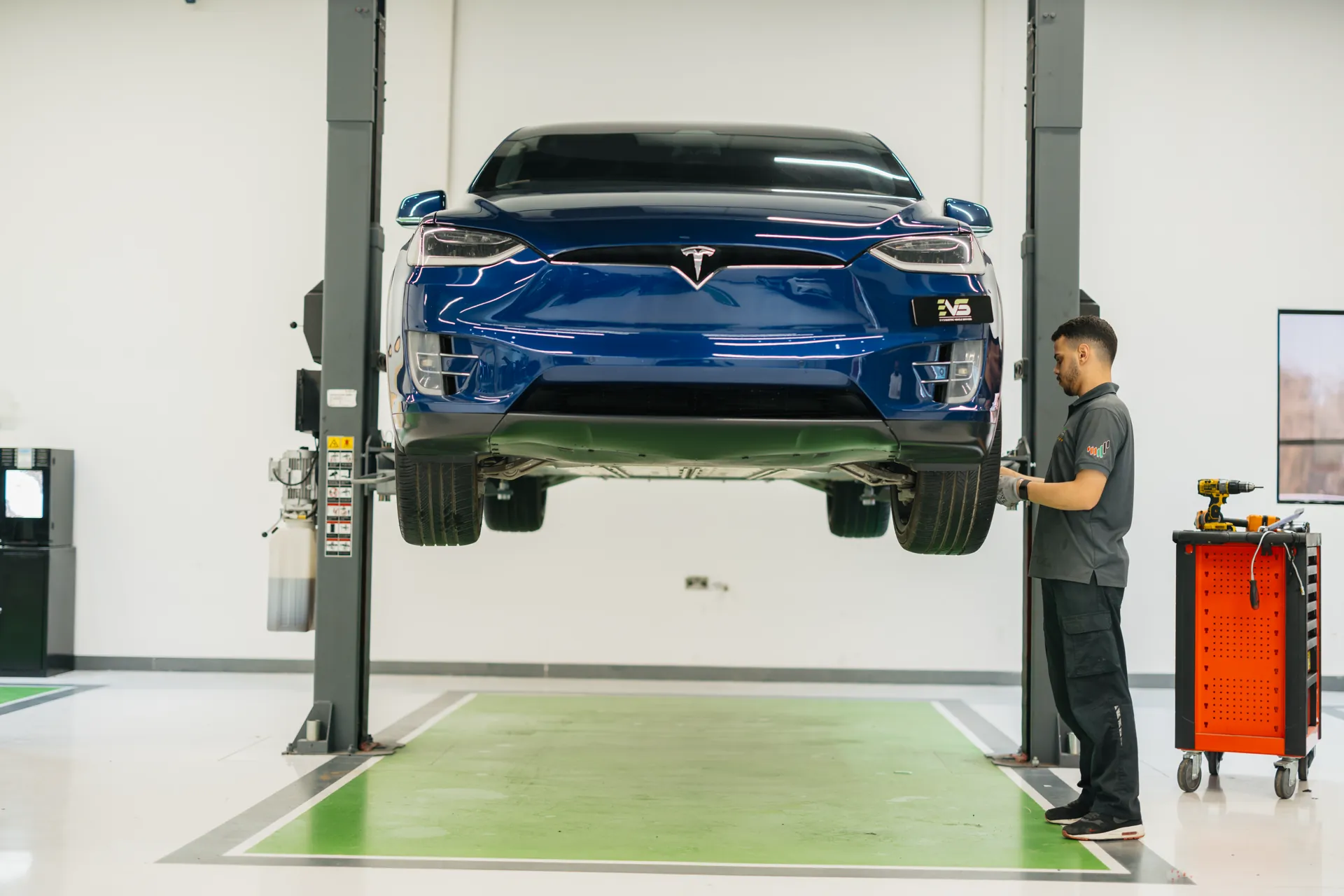
Build the EV service network
your market is missing.
Electric vehicles are arriving faster than the workshops qualified to fix them. EVS franchise partners operate specialist multi-brand centres with genuine high-voltage and battery capability, backed by a proven operating system and an expansion team that has done it before.
Why now
The white space is complexity, not oil changes
EV servicing is often cheaper and less frequent than combustion servicing — which is exactly why a generic garage proposition fails. The defensible business is the high-skill work most independents cannot do and most dealers are too slow to schedule.
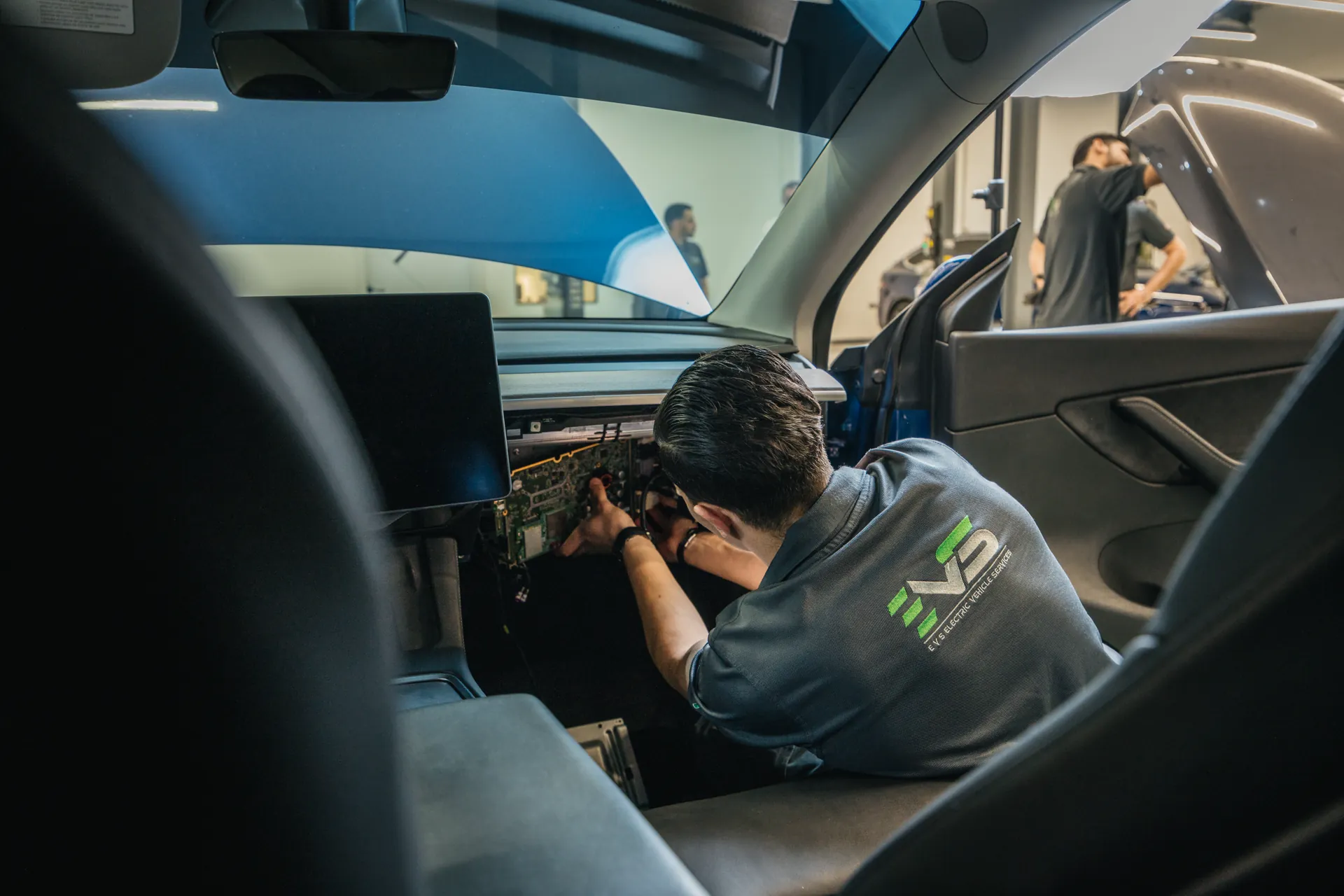 The work a general garage turns away
A specialist proposition, not a general garage
Battery state-of-health certification, high-voltage diagnostics, thermal and charging faults, ADAS calibration and collision triage — the work that general workshops cannot take on and dealers are slow to schedule.
B2B first
Fleet operators, leasing companies, insurers, body shops and used-car dealers have repeated, measurable pain. We target 60-70% business revenue in the first two years and use consumer work to fill capacity.
EVS Academy
High-voltage qualification pathways, brand-specific diagnostic training and recurring competence checks. Technical leadership is recruited before a lease is signed, not after.
Central parts and procurement
Group purchasing on tooling, diagnostic subscriptions and high-value components, plus supplier SLAs and deposit terms that protect a single centre's working capital.
Warranty and QA framework
Documented isolation and release-to-road procedures, traceable parts, a written repair warranty and audited quality standards that national fleet and insurer contracts require.
National account participation
Fleet and insurer contracts are won centrally and allocated on measurable SLA performance rather than geography alone, so a strong operator gets more work.
The model
Hub and spoke, not a scattering of identical shops
Deep capability is expensive, so it is concentrated. Routine volume sits close to the customer, and complex work routes to a hub that can genuinely handle it.
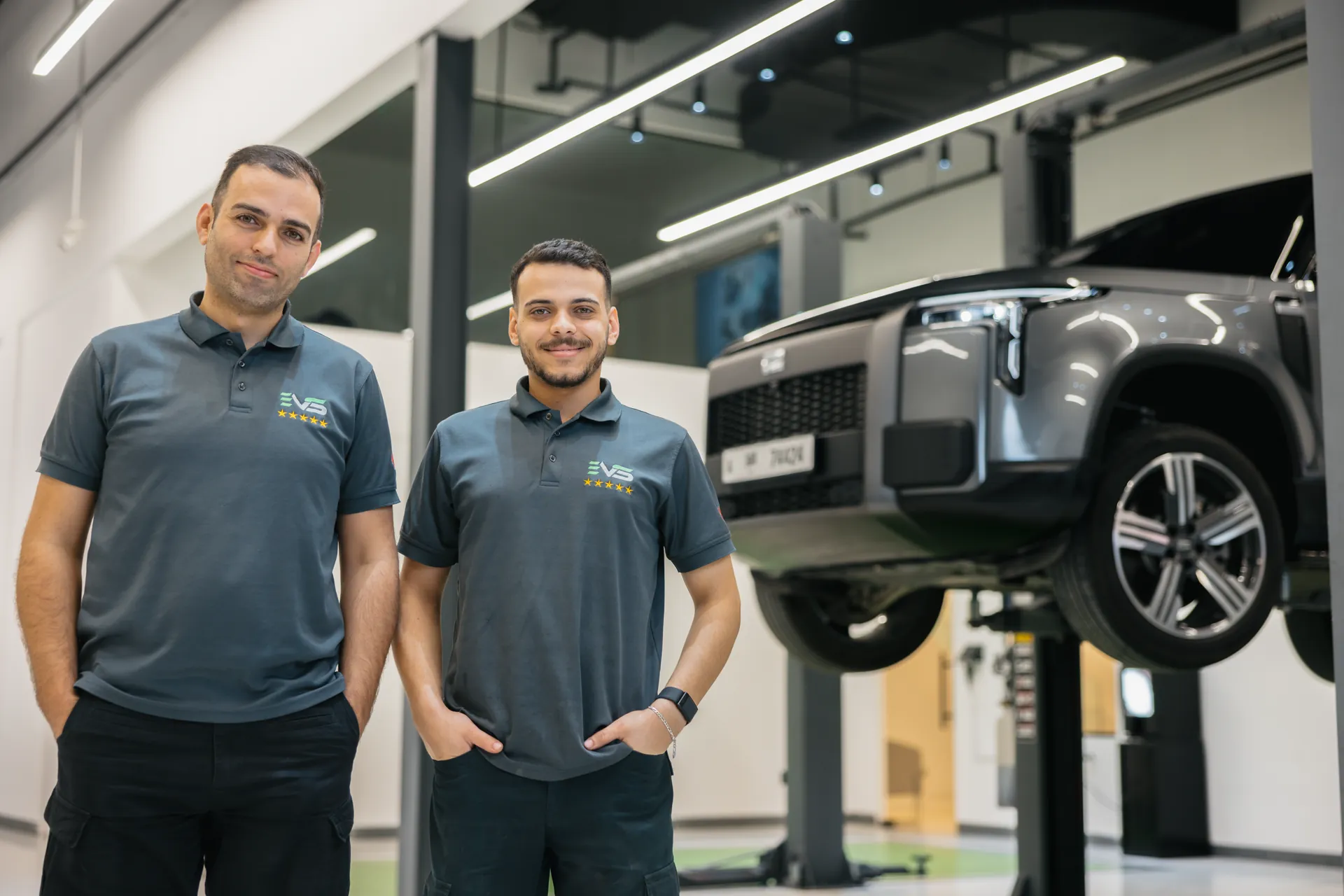 Inside an EVS centre
Flagship hub
Complex diagnostics, battery opening and module repair, quarantine, ADAS, the fleet desk and regional training. Roughly five productive bays plus a dedicated isolation area.
Satellite centres
Inspections, SOH tests, routine mechanical work, charging and thermal diagnosis and pack removal. Complex cases route to the hub rather than being turned away.
Central EVS platform
VIN-level coverage matrix, technical knowledge base, remote support, parts procurement, warranty administration, QA audits, case history and fleet dashboards.
Getting started
How a territory launch runs
We approve a centre on contracted local demand and secured technical leadership — never on a market forecast alone.
- 01Weeks 1-4
Market qualification
We assess the plug-in fleet, addressable service pool, competitive set, regulation and location economics for your market — the same analysis published in our market intelligence reports.
- 02Weeks 5-8
Anchor demand
Before any lease is signed, we work with you to secure letters of intent from fleets, leasing companies, insurers or under-networked OEMs covering a meaningful share of base-case capacity.
- 03Weeks 5-10
Technical leadership
Recruit the technical manager and high-voltage lead. In regulated markets such as Germany this is a legal precondition, not a nice-to-have.
- 04Weeks 9-16
Site, fit-out and approvals
Site selection follows fire, insurer, power, zoning and trade-body checks. Quarantine and pack flow are designed before the site is chosen, not retrofitted.
- 05Month 5 onward
Launch and proof period
Training, systems onboarding, launch marketing and a twelve-month proof period tracking first-time-fix rate, gross profit per bay-hour, cycle time and SLA performance.
Commercials
What each side earns
The franchise partner earns
- Workshop labour across diagnostics, HV, mechanical and ADAS work
- Parts revenue with group procurement terms
- B2B contract and retainer revenue from fleet and insurer accounts
- Inspection and certification products such as battery state-of-health reports
EVS Worldwide earns
- Initial training and fit-out fees
- Recurring platform, software and QA fees
- Parts margin through central procurement
- Centralised warranty administration and national-account participation
Investment levels, fee structures and territory terms are set per market and depend on facility scope, regulatory requirements and whether the centre is a flagship hub or a satellite. Market-specific economics are covered in the relevant market intelligence report and in the franchise pack.
Ready to talk territories?
Tell us which market you are looking at and we will send the relevant market intelligence and the franchise pack.