
A specialist EV centre is
designed, not converted.
You cannot add high-voltage capability to a general workshop as an afterthought. Quarantine, isolation procedure, power, access control and pack flow determine which building you can take — so they are settled before a lease is signed.
Capability tiers
Three levels of high-voltage capability
Depth is expensive. Each centre is specified to a tier that matches its role in the network and the demand actually contracted in its catchment.
Awareness and non-invasive work
Routine mechanical work on EVs without touching the high-voltage system: brakes, suspension, tyres, alignment, 12V systems, bodywork. Technicians are HV-aware but do not de-energise.
HV-aware technicians
De-energised high-voltage work
Isolating the HV system and working on it safely once dead: pack removal, on-board charger and DC/DC replacement, thermal circuit work, connector and wiring repair. The backbone of a satellite centre.
Qualified HV technicians with documented isolation procedures
Live high-voltage and battery intervention
Diagnostics on energised systems, pack opening, module-level repair, insulation-fault tracing. Requires a dedicated specialist, a quarantine area, insurer and fire-service acceptance, and a hub-grade facility.
Specialist HV lead plus trained support technicians
Facility
How the floor is laid out
Six functional zones. The high-voltage bay and the quarantine area are the two that most often disqualify an otherwise attractive building.
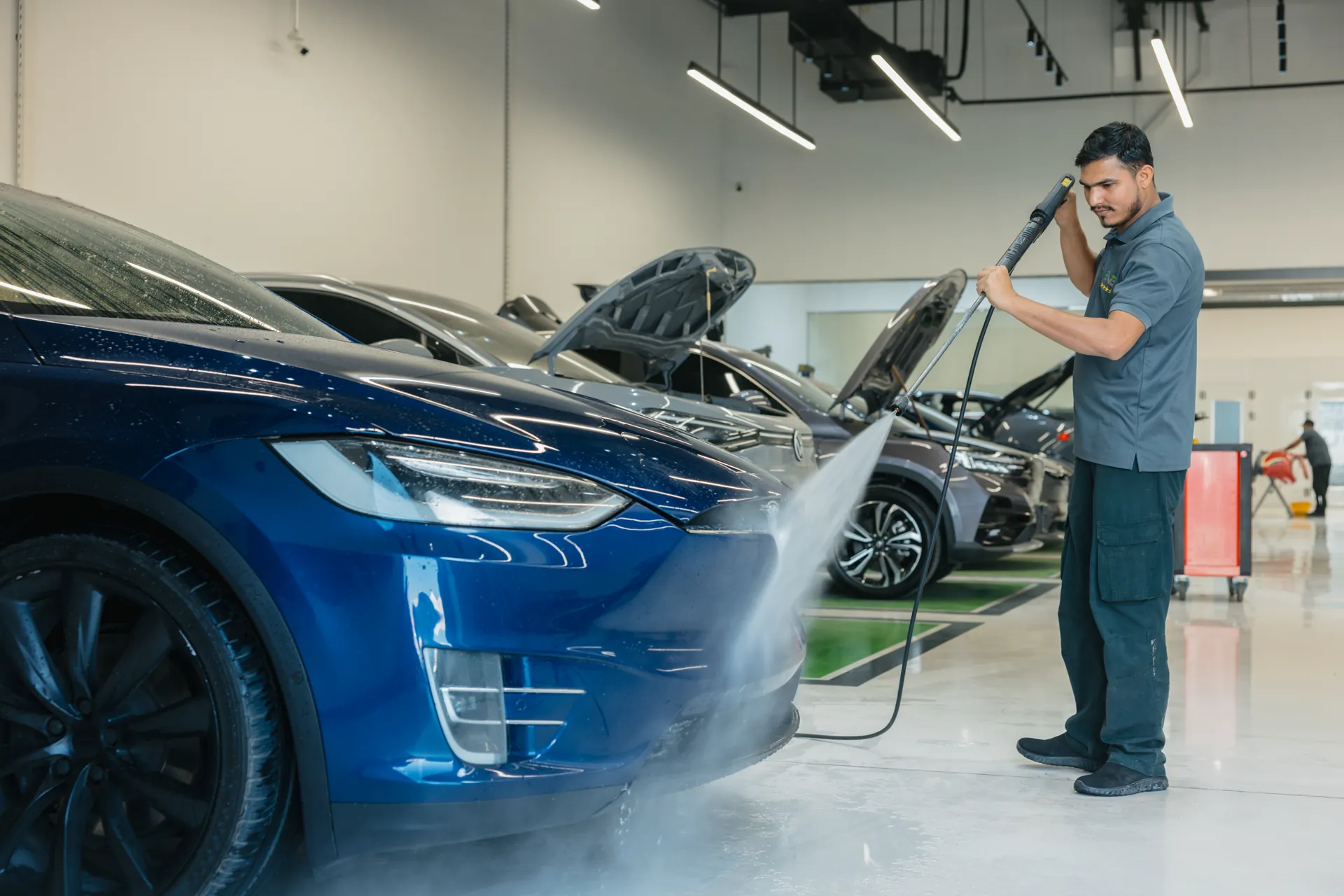 Five productive bays
Productive bays
Around five bays for a flagship centre. Two-post and scissor lifts rated for EV kerb weight, with a bay-level power and data drop for diagnostics.
High-voltage bay
Dedicated, access-controlled and clearly demarcated. Insulated tooling, lockout-tagout, calibrated measurement equipment, PPE store and rescue equipment held at the bay.
Battery quarantine
Segregated storage for damaged or unknown-state packs, designed before the lease is signed. Thermal monitoring, containment, and agreed towing and escalation protocols with the local fire service.
ADAS and alignment
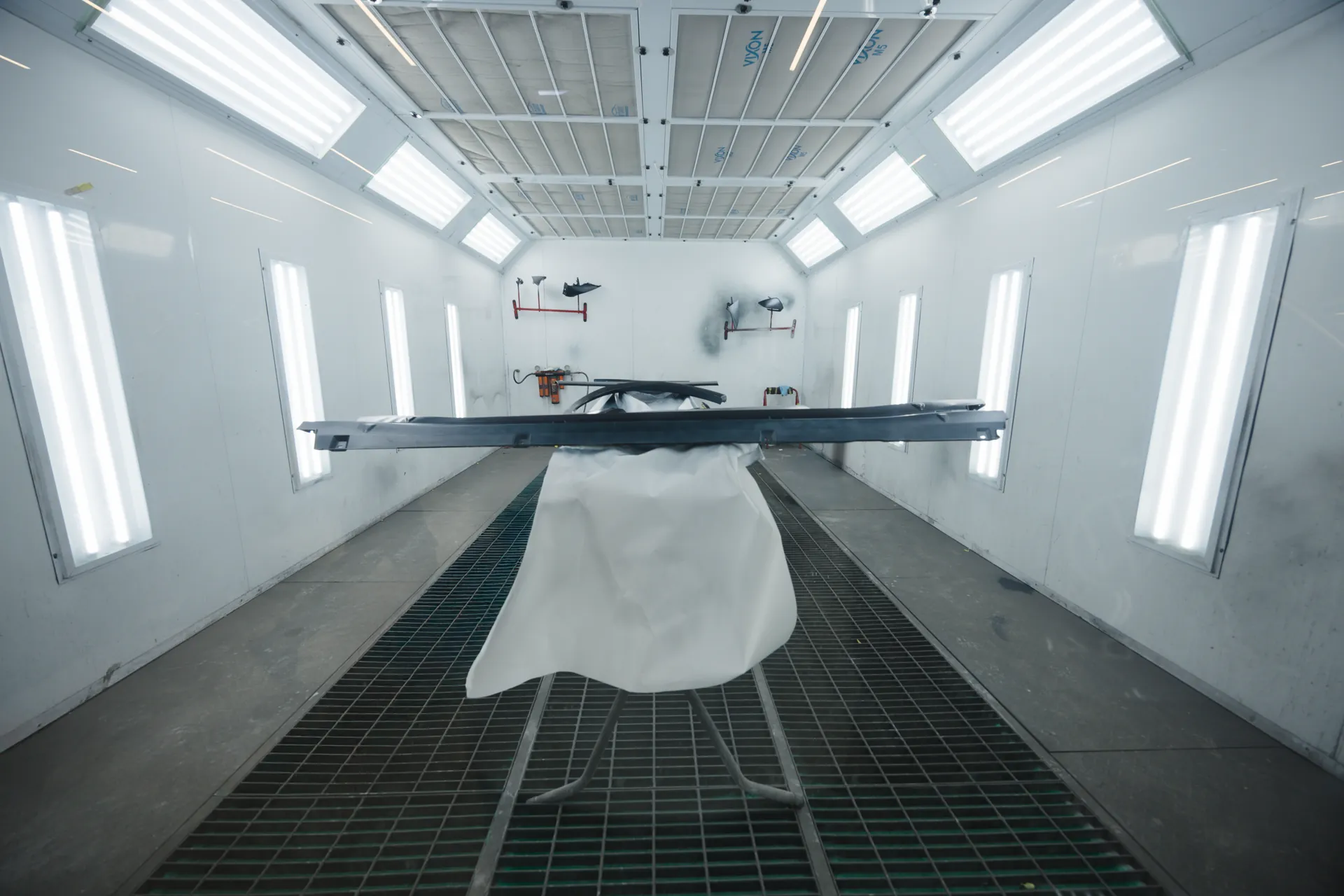
A level, well-lit calibration area with the clearances manufacturers actually specify. Collision and glass referrals depend on being able to calibrate on site.
Diagnostics station
Multi-brand scan tooling, OEM repair-information subscriptions, secure-gateway credentials, battery test equipment and thermal imaging.
Parts and consumables
Secure storage with traceability for high-value components, plus staging space for pack handling equipment and lifting aids.
Compliance
What has to be true before you open
Requirements vary by market and the market intelligence report for your territory sets them out specifically. These four apply almost everywhere.
Trade and technical qualification
Many markets regulate vehicle repair. Technical management often requires a formal qualification, and the operating entity may need registration with a trade body before it can legally trade.
High-voltage competence
Task scope must match technician qualification. Procedures, equipment, recurring competence checks and a documented release-to-road sign-off are all auditable requirements, not paperwork.
Fire, insurance and quarantine
Damaged packs need segregated handling that the insurer and local fire service have accepted in writing. This shapes the site you can take, so it is settled before signing.
Battery, waste and dangerous goods
Storage, transport, waste and producer-responsibility obligations differ between repairing a pack, repurposing one and placing a remanufactured pack on the market. Phase-one scope is defined explicitly.
This is a summary for planning purposes. Local legal, fire-safety, insurance and environmental advice is required in every market before committing to a site or an operating model.
Timeline
From decision to first vehicle
- 01Before site search
Scope and capability decision
Decide whether the centre repairs complete packs, modules only, or removes and ships them. Everything downstream — site, insurance, fire approval, capex — follows from this one answer.
- 02Weeks 1-4
Site qualification
Power capacity, ceiling height, floor loading, drainage, access for recovery vehicles, zoning, and fire-service acceptance of the quarantine design.
- 03Weeks 5-12
Fit-out and equipment
Leasehold works, lifts, HV bay build-out, quarantine construction, ADAS and alignment area, IT and network. Three quotations obtained before commitment.
- 04Weeks 6-12
Tooling and coverage matrix
Phase-one tooling is specified to cover the brands that dominate your actual catchment — typically a minimum of 60% of local EV parc — rather than claiming universal coverage.
- 05Weeks 13-16
Certification and dry run
Technician certification, procedure audits, systems onboarding, and a supervised pilot period before the centre takes unrestricted work.
Systems
The platform behind the bay
A workshop is only as good as the information reaching the technician standing in it.
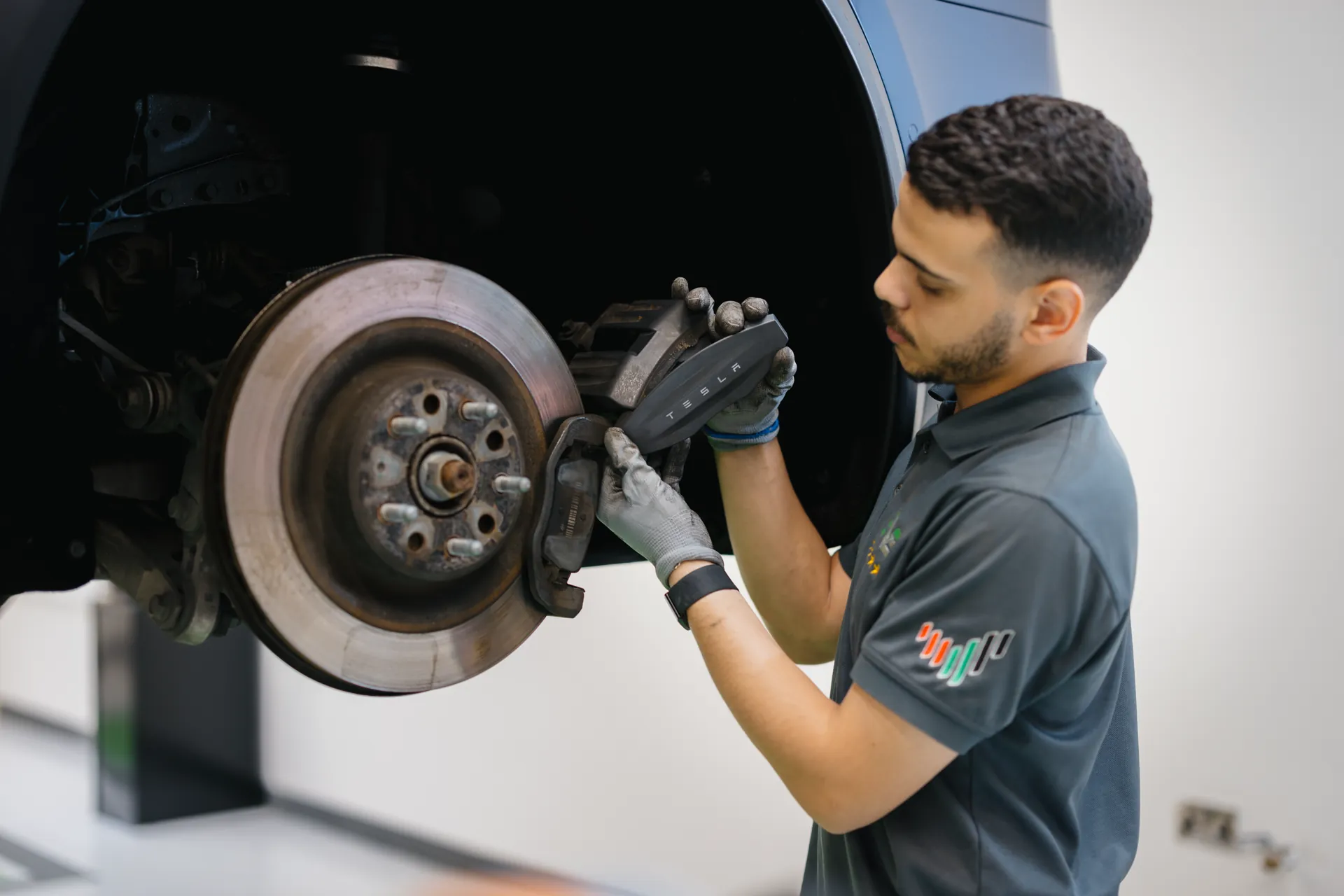 Procedure, not improvisation
Diagnostic knowledge base
Licensed repair information and accumulated EVS case history, searchable by symptom, fault code and VIN — so the second centre to see a fault does not start from scratch.
Evidence and reporting
Photo-documented inspections, battery state-of-health reports and structured customer evidence packs. This is what converts fleet, insurer and dealer relationships into contracts.
Human sign-off on safety
AI assists with diagnosis, test sequencing and reporting. Every isolation, energisation, pack opening and release-to-road decision is signed by a qualified person.
Operational metrics
First-time-fix rate, comeback rate, gross profit per bay-hour, billed hours per technician, cycle time and SLA performance — the numbers that decide whether a territory expands.
Want the equipment specification?
We will send the full facility and tooling specification for the tier and market you are considering.