Introduction
As the electric vehicle (EV) market continues to expand, the demand for specialised service centres capable of handling high-voltage systems has never been more critical. For fleet operators in 2026, the ability to provide high-voltage diagnostics and repair is not just a value-add; it is becoming a necessity. This article will explore how high-voltage capability can significantly enhance an EV service centre's attractiveness to fleet operators, detailing the technical requirements, market demand, and the implications for service centre operators.
Understanding High-Voltage Capability
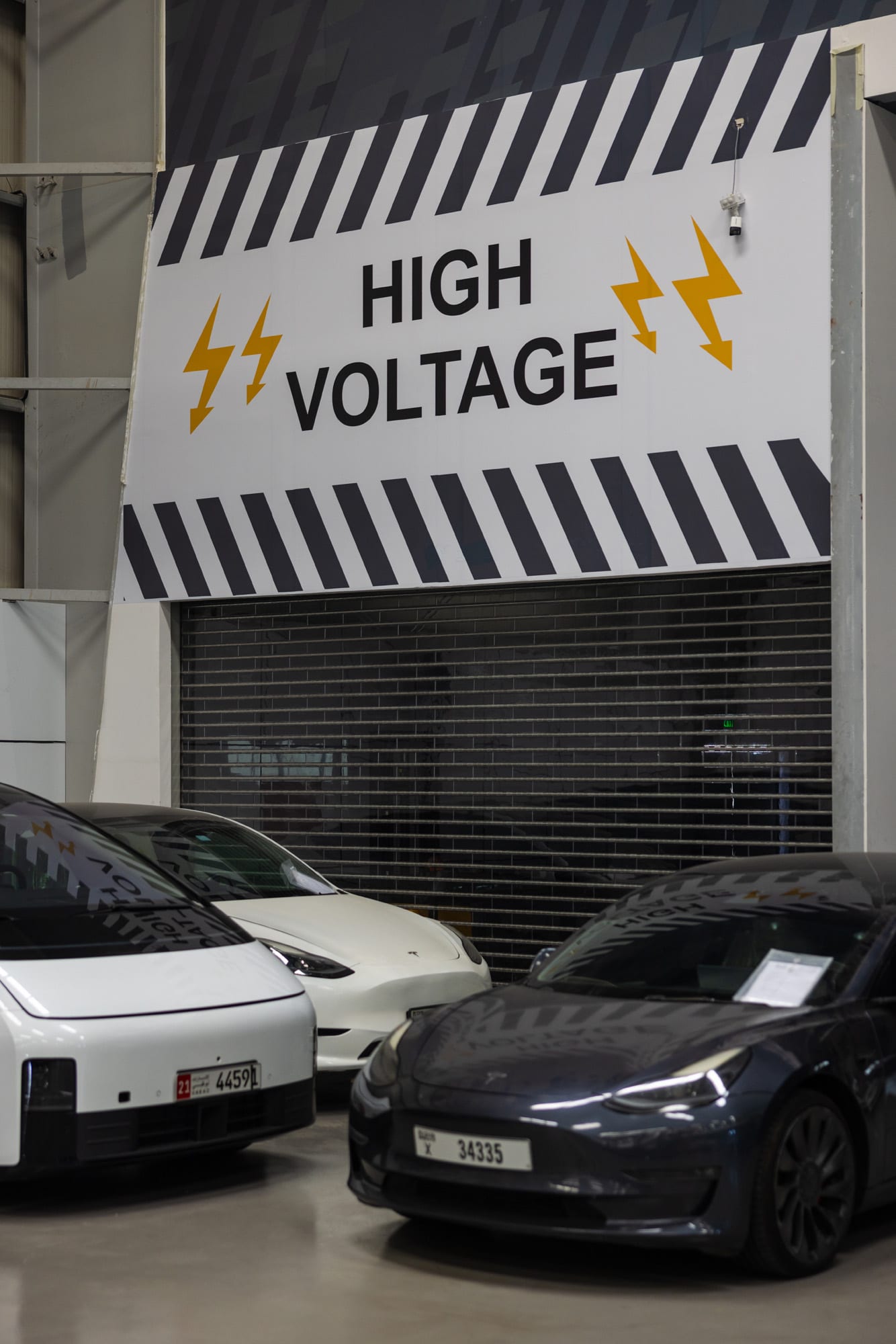
High-voltage capability refers to the ability of a service centre to diagnose, maintain, and repair electric vehicles that operate on high-voltage systems, typically above 60 volts. This includes components such as:
- On-board chargers - essential for charging the vehicle's battery.
- DC/DC converters - which manage the flow of energy between the high-voltage battery and the vehicle's low-voltage systems.
- Inverters - converting DC power from the battery to AC power for the electric motor.
- Isolation faults - which can occur in high-voltage components, requiring specialised diagnostic tools and trained technicians to resolve.
Technical Requirements
To effectively service high-voltage vehicles, a service centre must meet several technical requirements:
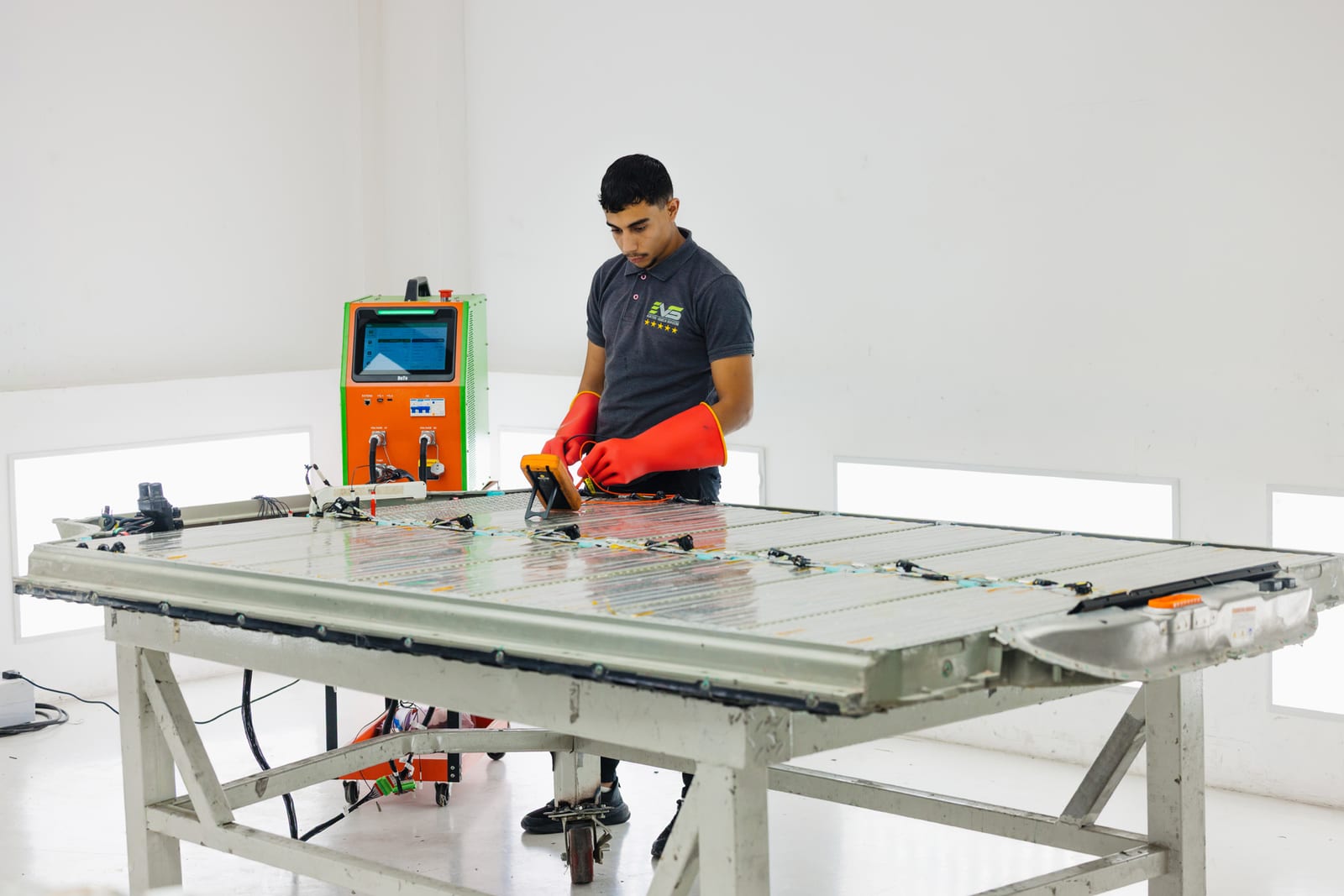
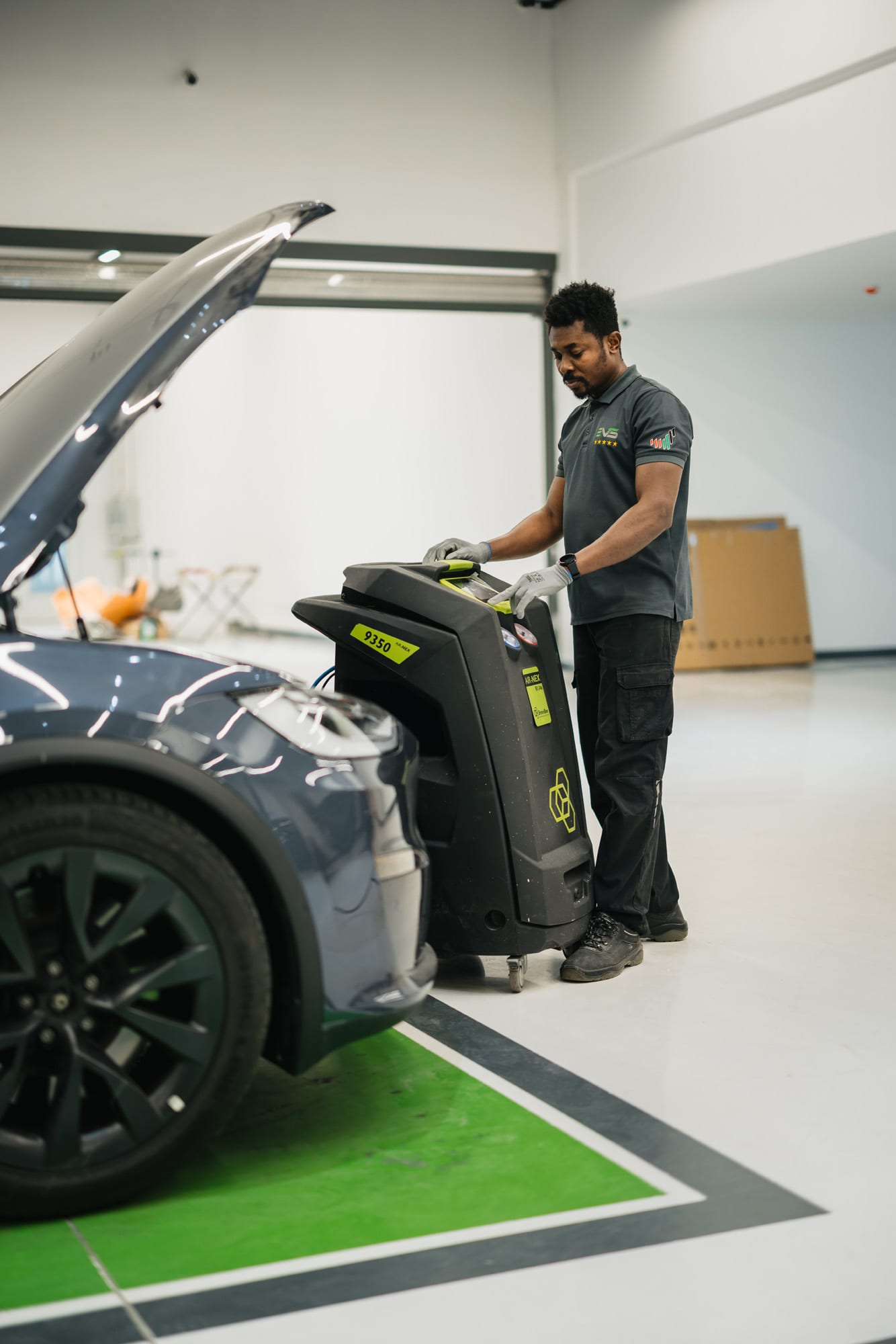
- Specialised Equipment: This includes high-voltage diagnostic tools, safety equipment, and testing devices that can handle the unique requirements of electric vehicles.
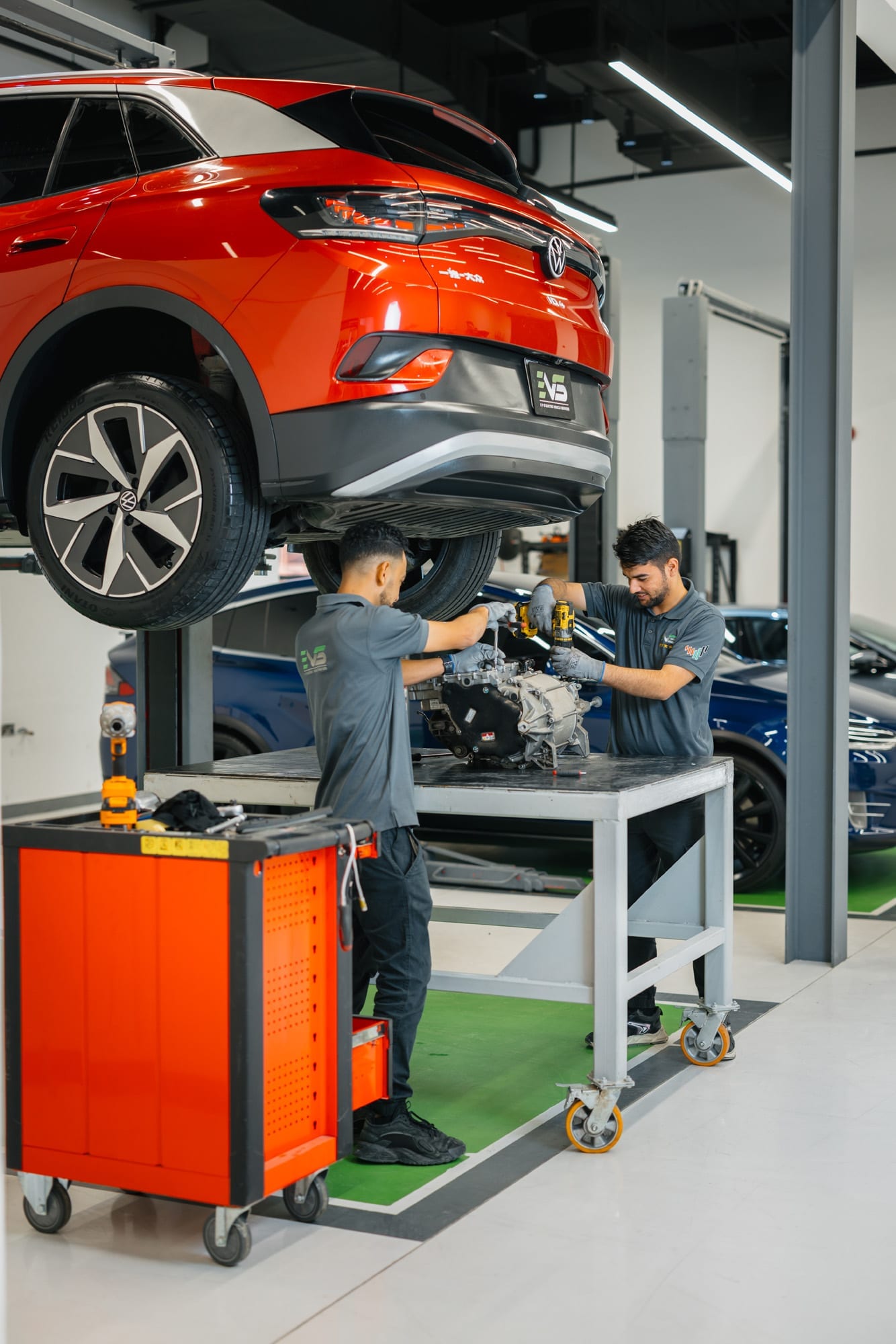
- Trained Technicians: Technicians must undergo rigorous training to work safely with high-voltage systems. This includes understanding the risks associated with high voltage and mastering the necessary diagnostic techniques.
- Safety Protocols: Implementing strict safety protocols is essential to protect both technicians and the vehicles being serviced. This includes proper insulation, personal protective equipment (PPE), and emergency procedures.
Market Demand for High-Voltage Capability
The growing plug-in fleet size is a key driver of demand for high-voltage capability in service centres. According to recent data, the number of electric vehicles on the road is projected to increase significantly in the coming years. For instance, the European market is expected to see a surge in EV adoption, with projections estimating that by 2026, there will be over 10 million electric vehicles registered across Europe alone. This shift creates an urgent need for service centres that can cater to the high-voltage maintenance and repair needs of these vehicles.
Fleet Operators’ Perspective
Fleet operators are particularly concerned with uptime and reliability. They require service providers who can ensure that their vehicles are serviced quickly and efficiently, minimising downtime. High-voltage capability directly impacts this by:
- Reducing Repair Times: With the right tools and training, technicians can diagnose and repair issues more swiftly.
- Enhancing Reliability: A service centre that can handle high-voltage systems effectively is more likely to maintain the operational reliability of a fleet.
- Meeting SLA Requirements: Fleet operators often operate under strict Service Level Agreements (SLAs) that dictate the acceptable downtime for their vehicles. High-voltage capability helps service centres meet these requirements consistently.
Competitive Advantage for Service Centres
Having high-voltage capability can set a service centre apart from its competitors. Here’s how:
1. First-Mover Advantage
As the market for electric vehicles grows, service centres that establish high-voltage capabilities early on can capture a larger share of the fleet servicing market. This first-mover advantage can lead to long-term partnerships with fleet operators looking for reliable service providers.
2. B2B Contract Opportunities
Fleet operators are increasingly looking for service centres that can provide comprehensive support for their electric vehicles. By showcasing high-voltage capabilities, service centres can attract B2B contracts from:
- Leasing Companies: These companies require assurance that their vehicles will be maintained to high standards.
- Insurance Providers: Insurers are interested in partnering with service centres that can provide battery health certifications and high-voltage diagnostics.
- Corporate Fleets: Businesses operating electric vehicle fleets will prefer service centres that can handle high-voltage systems efficiently.
3. Enhanced Reputation
Service centres that invest in high-voltage capability can enhance their reputation within the automotive industry. This can lead to:
- Increased customer trust and loyalty.
- Positive word-of-mouth referrals from satisfied fleet operators.
- Recognition as a leader in the EV service market.
The Hub and Spoke Model
EVS Worldwide employs a hub and spoke model in its service centre operations, which allows for deep capabilities concentrated in flagship hubs while routine volume is handled by local satellite centres. This model is particularly advantageous for high-voltage servicing as it:
- Optimises Resource Allocation: High-voltage diagnostics and repairs can be centralised in flagship hubs, while routine maintenance can be handled by satellite locations.
- Provides Scalability: As demand for electric vehicle servicing grows, the hub and spoke model allows for easy scalability of operations without compromising service quality.
- Facilitates Training and Knowledge Sharing: Technicians at flagship hubs can train satellite centre staff, ensuring consistent quality across all locations.
Implications for Service Centre Operators
For operators considering the addition of high-voltage capabilities, several implications must be addressed:
1. Investment in Training and Equipment
Operators need to allocate budget for:
- Training Programs: Investing in comprehensive training programs for technicians to ensure they are equipped to handle high-voltage systems safely and effectively.
- Diagnostic Tools: Purchasing specialised diagnostic tools and equipment necessary for high-voltage servicing.
2. Establishing Safety Protocols
Safety must be a top priority. Operators should develop and implement rigorous safety protocols to protect both technicians and customers. This includes:
- Regular safety drills and training updates.
- Ensuring all equipment meets safety standards.
3. Marketing High-Voltage Capability
Once high-voltage capabilities are established, marketing these services effectively is crucial. Operators should:
- Highlight high-voltage capabilities in all promotional materials and communications.
- Educate potential clients about the benefits of choosing a service centre with these capabilities.
Conclusion
In 2026, the role of high-voltage capability in attracting fleet contracts cannot be overstated. As the electric vehicle market continues to grow, service centres that can provide high-voltage diagnostics and repairs will be better positioned to attract fleet operators and secure B2B contracts. By investing in the necessary training, equipment, and safety protocols, service centre operators can not only enhance their operational capabilities but also establish themselves as leaders in the evolving automotive landscape.
For operators considering entering this lucrative market, the time to act is now. High-voltage capability is not just an advantage; it is becoming a requirement for success in the electric vehicle service sector.
FAQ
1. What is high-voltage capability in EV service centres? High-voltage capability refers to the ability of a service centre to diagnose and repair electric vehicles that operate on high-voltage systems, which include components like on-board chargers, inverters, and isolation faults.
2. Why is high-voltage capability important for fleet operators? Fleet operators require reliable and efficient servicing to minimise vehicle downtime. High-voltage capability ensures that service centres can quickly diagnose and repair electric vehicles, thereby maintaining operational reliability.
3. How can a service centre market its high-voltage capabilities? Service centres can highlight their high-voltage capabilities through promotional materials, educational content, and by showcasing successful case studies with fleet operators.
4. What are the safety requirements for servicing high-voltage vehicles? Safety requirements include having trained technicians, using specialised equipment, and implementing strict safety protocols to protect both staff and vehicles during servicing.
5. How does the hub and spoke model benefit high-voltage servicing? The hub and spoke model allows for concentrated high-voltage expertise in flagship hubs while enabling local satellite centres to handle routine servicing, optimising resource allocation and ensuring consistent service quality.
Call to Action
If you are considering establishing a franchise that focuses on high-voltage capability, now is the time to act. Enquire about a territory and take the first step towards becoming a leader in the EV service market.