
25 Sept 2026 · 6 min read
The Impact of Out-of-Warranty EVs on Independent Workshops in 2026
Explore how the rise of out-of-warranty EVs presents unique opportunities for independent workshops in 2026.
EVS WorldwideRead
EVS Worldwide/Insights/Fleet & B2B
Explore effective strategies to attract fleet operators and secure B2B contracts for EV servicing in 2026. Understand the market dynamics and operational capabilities.
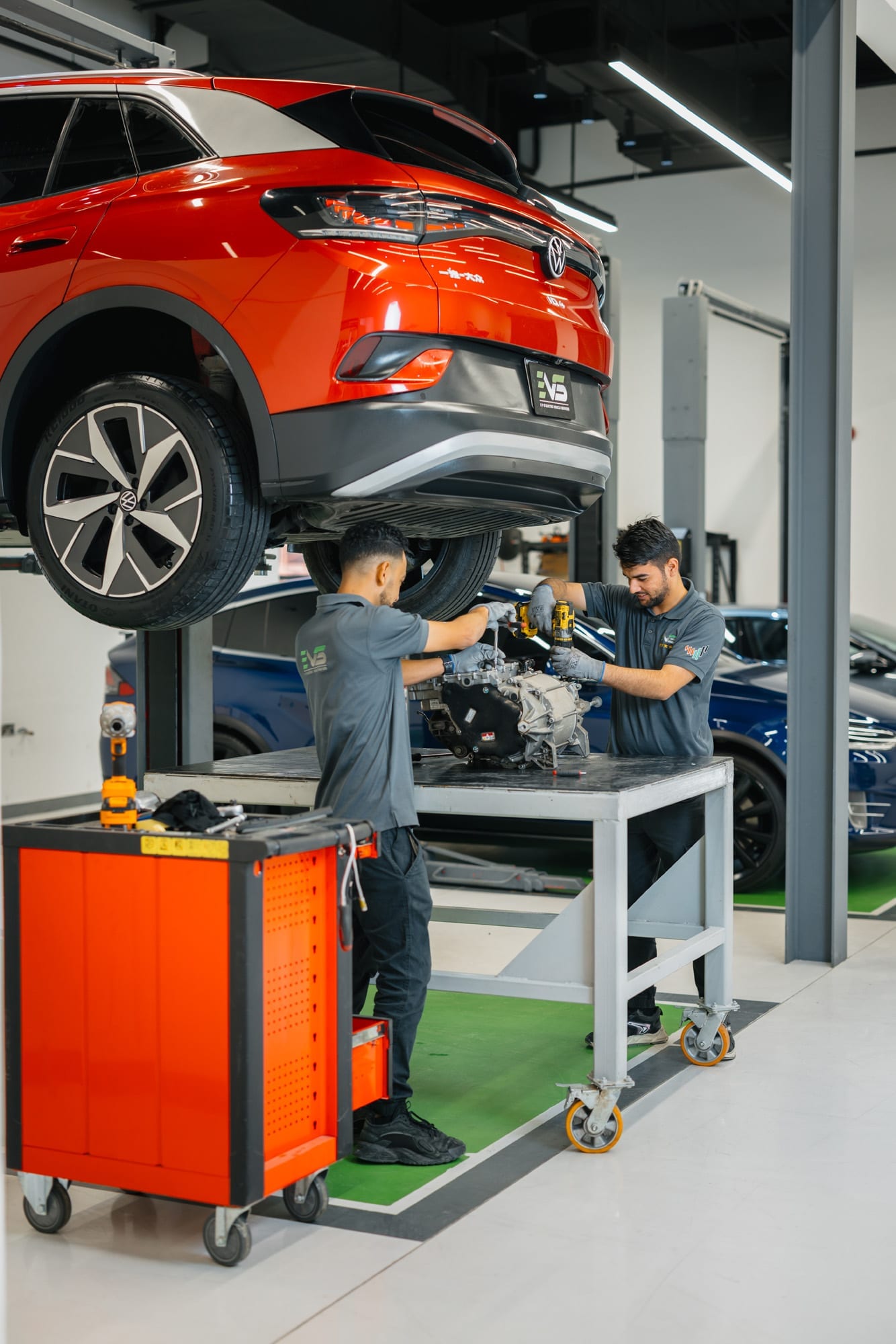
As we advance into 2026, the electric vehicle (EV) market continues to expand rapidly, driven by increasing consumer demand, government incentives, and a global push towards sustainability. Fleet operators are at the forefront of this shift, with many transitioning their vehicle fleets to electric models. This presents a significant opportunity for businesses looking to secure fleet and insurer accounts for EV servicing. However, to effectively attract these operators and secure contracts, it is essential to understand the current landscape, the needs of fleet operators, and the strategies that can be employed to meet those needs.
The global push for electrification is evident. In 2026, the number of battery electric vehicles (BEVs) and plug-in hybrid electric vehicles (PHEVs) on the roads is expected to surpass 25 million worldwide, according to various industry reports. This growth is not just limited to personal vehicles; commercial fleets are also making the transition at an unprecedented rate. Fleet operators are increasingly recognising the benefits of EVs, including lower operational costs, reduced emissions, and compliance with tightening regulations regarding carbon emissions.
The transition to electric fleets is not without challenges, however. Fleet operators face several pain points, including:
To successfully attract fleet operators and secure B2B contracts for EV servicing, businesses must develop and implement targeted strategies. Here are several effective approaches:
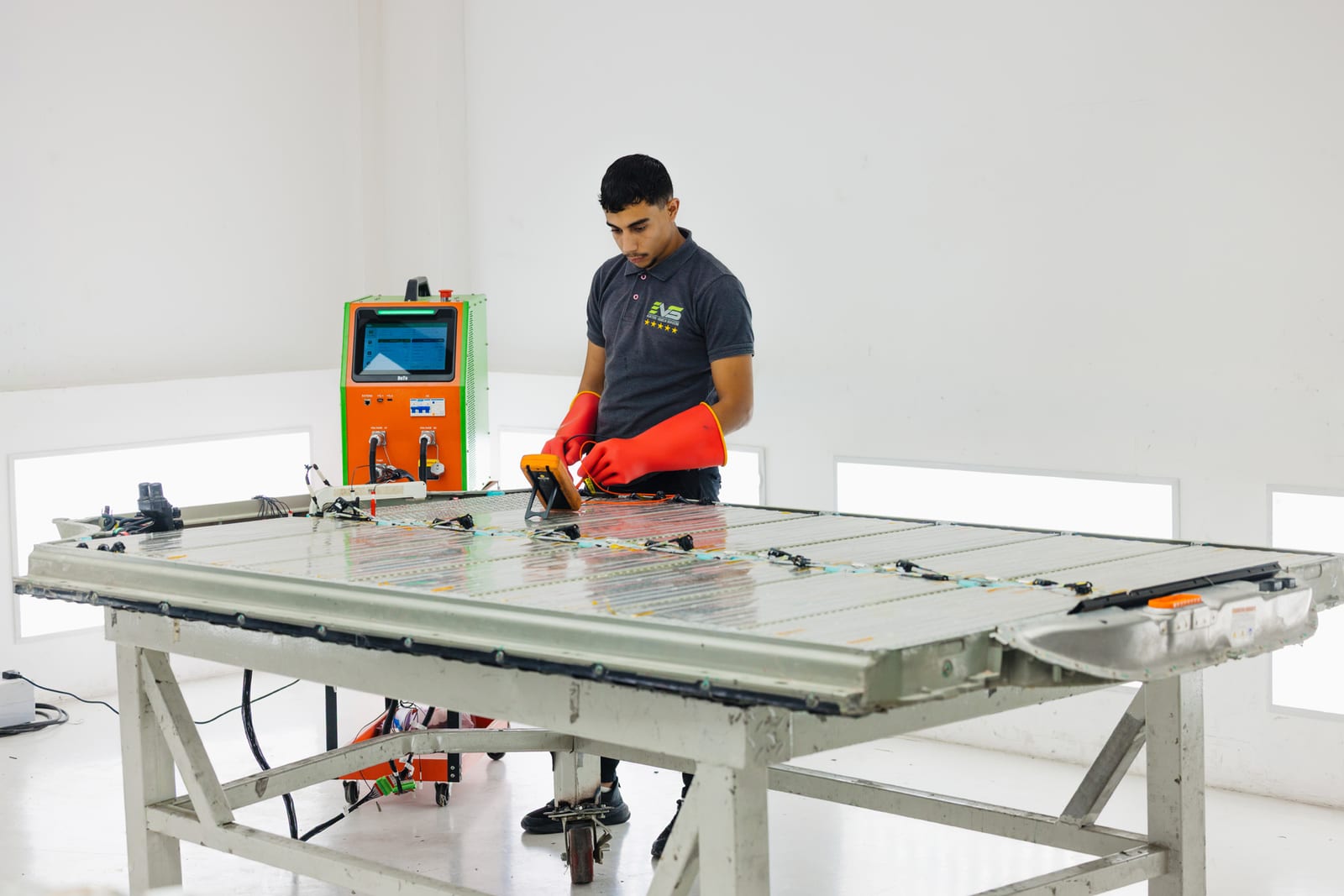
One of the primary concerns for fleet operators is the ability of service centres to manage high-voltage systems safely and effectively. EVS Worldwide’s model is designed around developing this high-voltage capability, ensuring that franchise partners are equipped with the necessary tools and training to handle complex EV servicing tasks. Key elements include:
Fleet operators are particularly concerned with maintaining vehicle uptime. To address this, service centres need to offer service level agreements (SLAs) that guarantee quick turnaround times for repairs and servicing. This can include:
In a competitive landscape, fleet operators are increasingly relying on data to make informed decisions. Service providers should leverage market intelligence to demonstrate their understanding of the fleet landscape. This can involve:
To effectively secure fleet and insurer accounts, it is crucial to comprehend the competitive landscape within the EV servicing market. This involves analysing the strengths and weaknesses of competitors and identifying gaps that your service centre can fill. Key considerations include:
As governments worldwide tighten regulations surrounding emissions and vehicle standards, fleet operators must ensure compliance to avoid penalties. Service centres can position themselves as valuable partners by:
Securing contracts with fleet operators is not solely about offering superior services; it also involves building strong relationships. Key strategies include:
As we move through 2026, the demand for effective EV servicing solutions will continue to grow. Businesses looking to secure fleet and insurer accounts must adopt a proactive approach, focusing on high-voltage capabilities, uptime guarantees, and data-driven insights. By understanding the competitive landscape and building strong relationships with fleet operators, service centres can position themselves as essential partners in the transition to electric vehicles.
1. What are the main challenges fleet operators face when transitioning to electric vehicles? Fleet operators face challenges such as high-voltage servicing requirements, the need for uptime guarantees, and the complexity of managing data and analytics for their electric fleets.
2. How can service centres ensure they have the necessary high-voltage capabilities? Service centres can ensure high-voltage capabilities by investing in specialised training for technicians, acquiring the right diagnostic tools, and obtaining certifications that are recognised by manufacturers and insurers.
3. What role does market intelligence play in securing fleet accounts? Market intelligence provides insights into fleet sizes, servicing demands, and competitive analysis, helping service centres tailor their offerings and demonstrate their understanding of the market to fleet operators.
4. How important are SLAs for fleet operators? Service Level Agreements (SLAs) are crucial for fleet operators as they outline expectations for service times and reliability, which are essential for maintaining vehicle uptime and operational efficiency.
5. What strategies can service centres use to build relationships with fleet operators? Service centres can build relationships through networking, tailored presentations that address specific needs, and maintaining ongoing communication to ensure that fleet operators feel supported and valued.
If you are considering entering the electric vehicle servicing market or looking to expand your current operations, enquire about a territory with EVS Worldwide today. Our franchise model provides the necessary support, training, and market intelligence to help you succeed in this rapidly evolving landscape. Visit EVS Franchise Opportunities for more information.
01 / The research behind this
Fleet size, addressable service revenue, competition, incentives and a 90-day entry plan — free on request for qualified franchise enquiries.
02 / Related reading
25 Sept 2026 · 6 min read
Explore how the rise of out-of-warranty EVs presents unique opportunities for independent workshops in 2026.
21 Sept 2026 · 6 min read
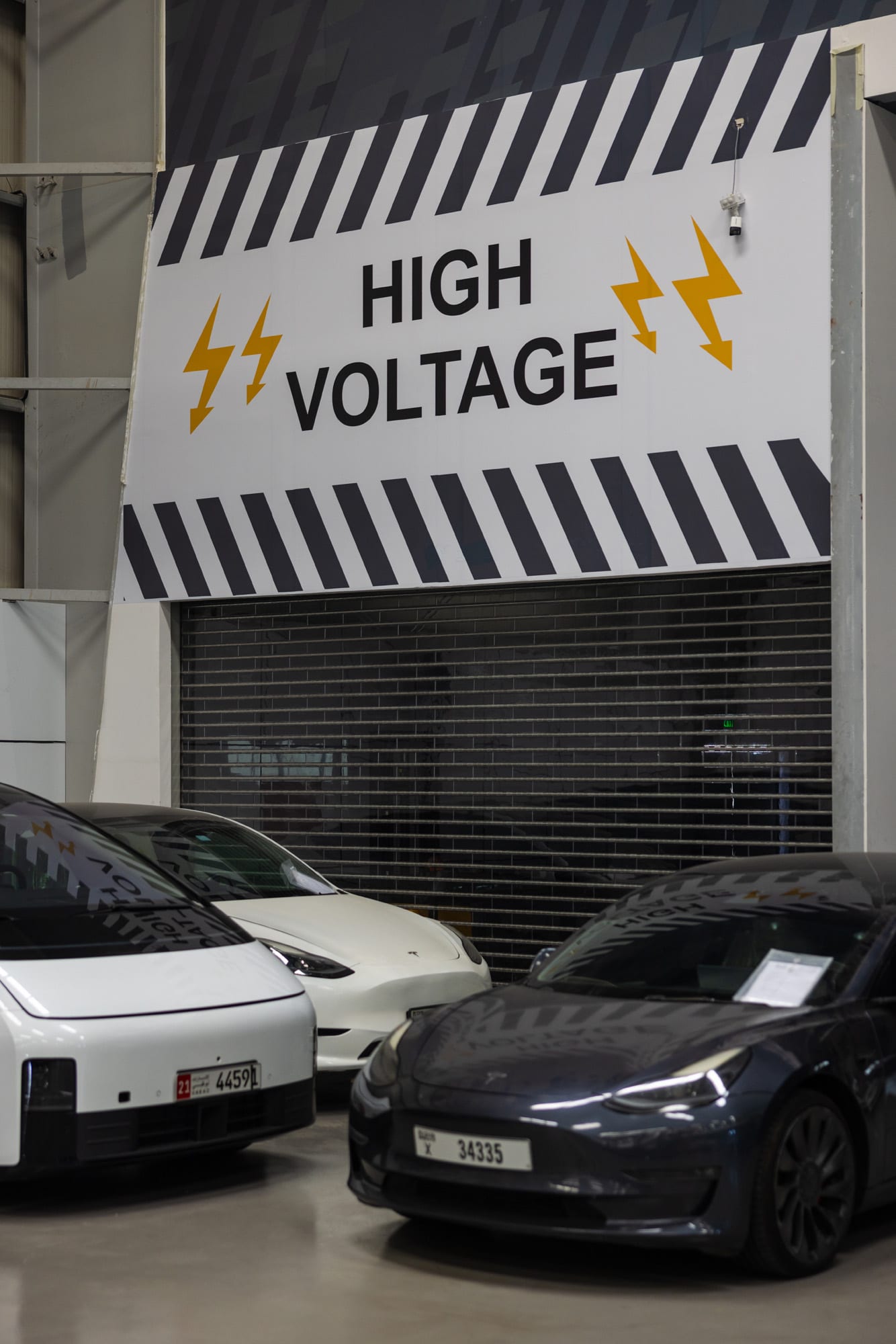
Explore how high-voltage capability enhances EV service centres' appeal to fleet operators in 2026, driving B2B contracts and market success.
10 Sept 2026 · 7 min read
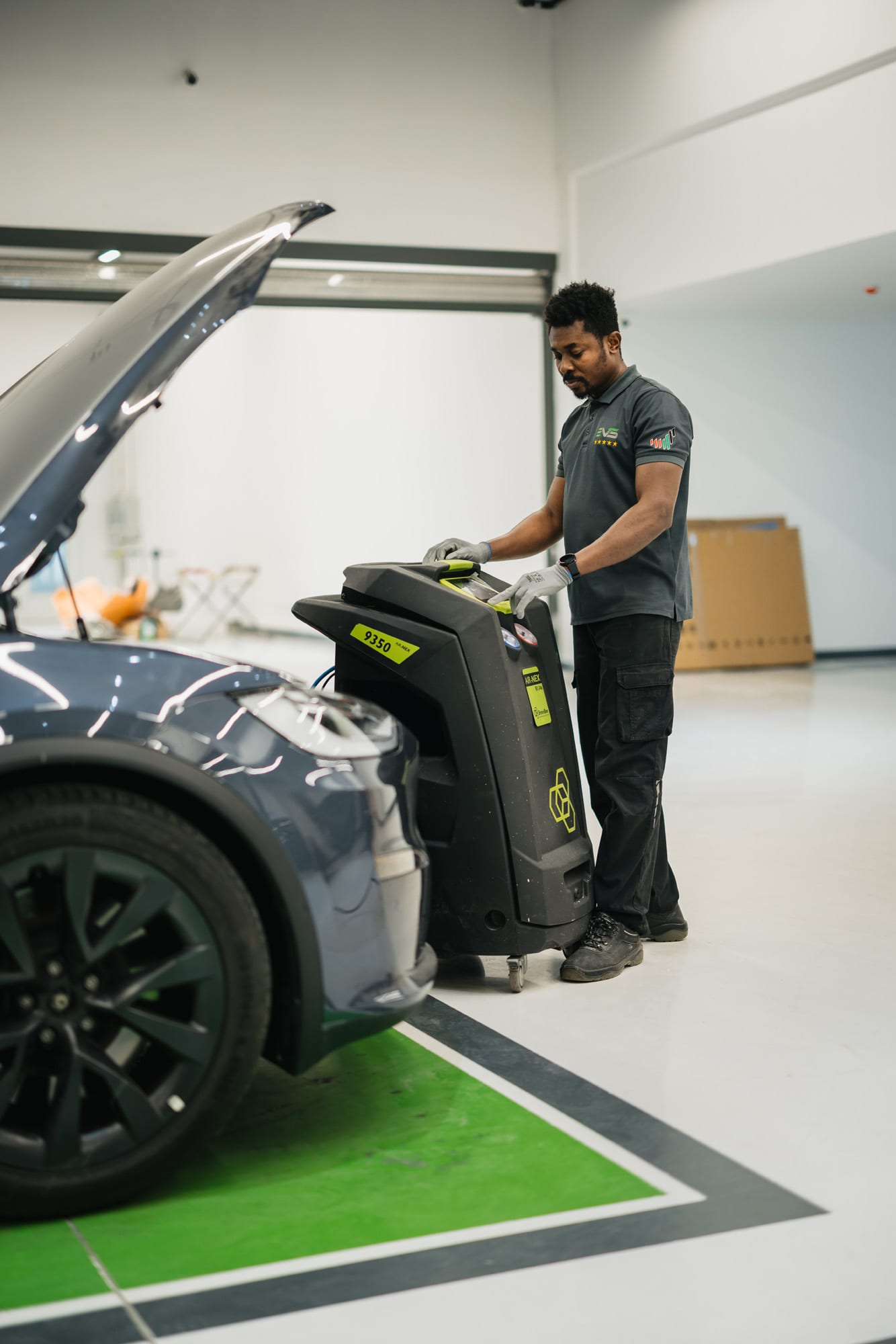
Explore how fleets and insurers approach EV servicing procurement in 2026, focusing on decision-making factors and market dynamics.
03 / Not in your country yet?
Tell us your territory. We'll send the market research alongside the franchise pack and connect you with the team behind every EVS centre.