
25 Sept 2026 · 6 min read
The Impact of Out-of-Warranty EVs on Independent Workshops in 2026
Explore how the rise of out-of-warranty EVs presents unique opportunities for independent workshops in 2026.
EVS WorldwideRead
EVS Worldwide/Insights/Fleet & B2B
Explore how fleets and insurers approach EV servicing procurement in 2026, focusing on decision-making factors and market dynamics.
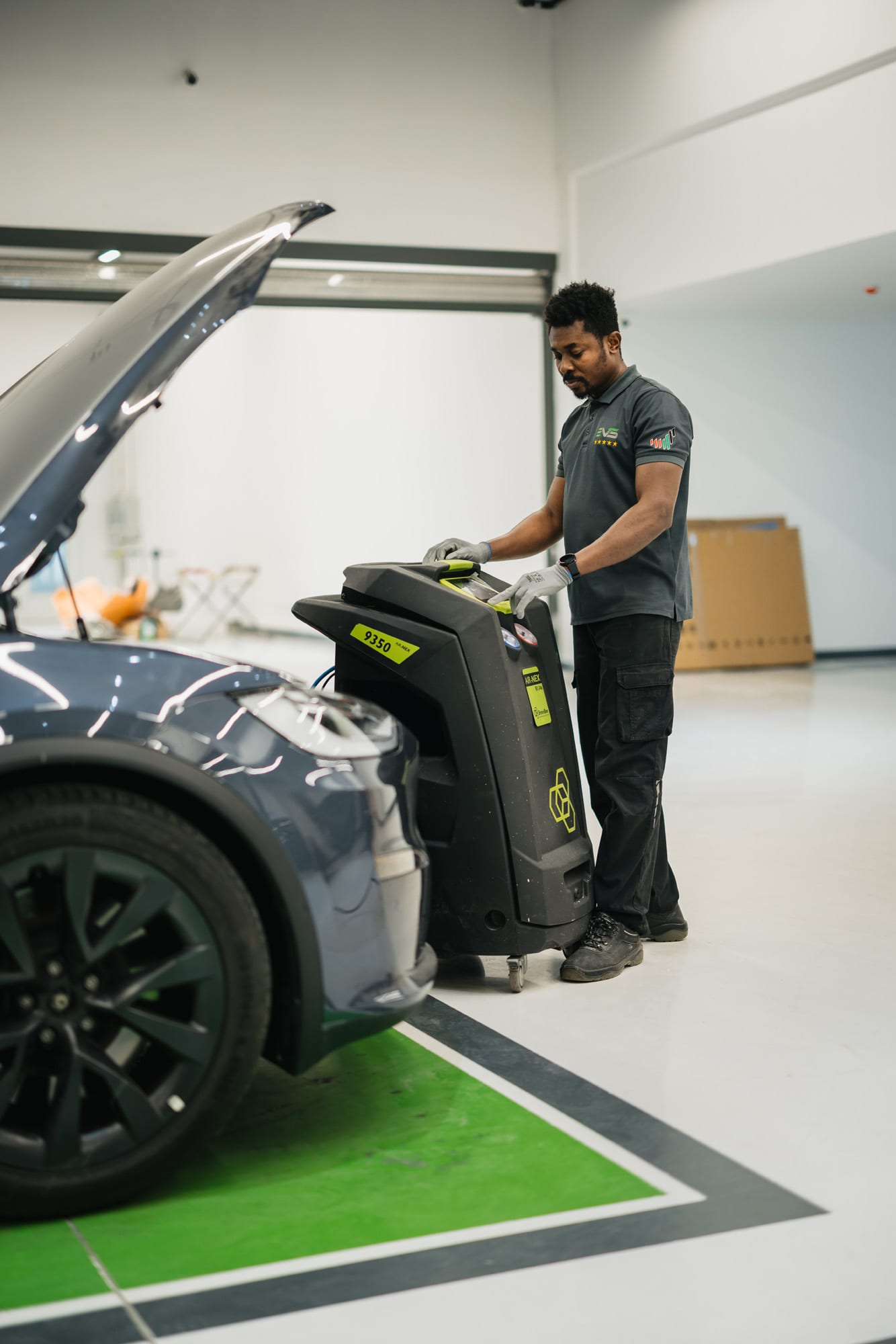
As the electric vehicle (EV) market continues to expand, understanding how fleets and insurers procure EV servicing becomes critical for stakeholders in the automotive aftersales industry. In 2026, the landscape is shaped by several factors including the growing number of EVs in operation, the evolving regulatory environment, and the unique challenges that fleets and insurers face. This article delves into the procurement processes and decision-making criteria that fleets and insurers use when considering EV servicing options.
The global EV market has witnessed significant growth, with millions of plug-in vehicles now on the roads. According to the latest reports, the number of battery electric vehicles (BEVs) is projected to reach over 50 million globally by the end of 2026. In the UAE alone, the plug-in parc continues to grow, driven by government incentives and a shift in consumer preferences towards sustainability. This increase in the EV parc presents both opportunities and challenges for fleet operators and insurers.
Fleets are increasingly incorporating EVs into their operations. The rationale behind this shift includes:
As of 2026, it is estimated that fleets will comprise approximately 25% of the total BEV market, with a significant portion of these vehicles expected to be out of warranty. This creates a crucial opportunity for independent workshops and EV service centres to offer specialized services.
When fleets and insurers evaluate EV servicing options, their decision-making processes are influenced by several key factors. Understanding these can help service providers tailor their offerings effectively.
Market intelligence plays a pivotal role in the procurement decisions of fleets and insurers. EVS Worldwide publishes comprehensive market reports covering 134 tracked markets, providing valuable insights into:
These reports not only inform procurement strategies but also help fleets and insurers justify their decisions to stakeholders and boards.
One of the primary challenges fleets face is balancing the cost of EV servicing with the quality of service provided. While lower-cost options may seem attractive, they often come with risks, such as subpar service and longer downtime. Fleet operators must weigh these risks against their operational needs and the potential impact on their bottom line.
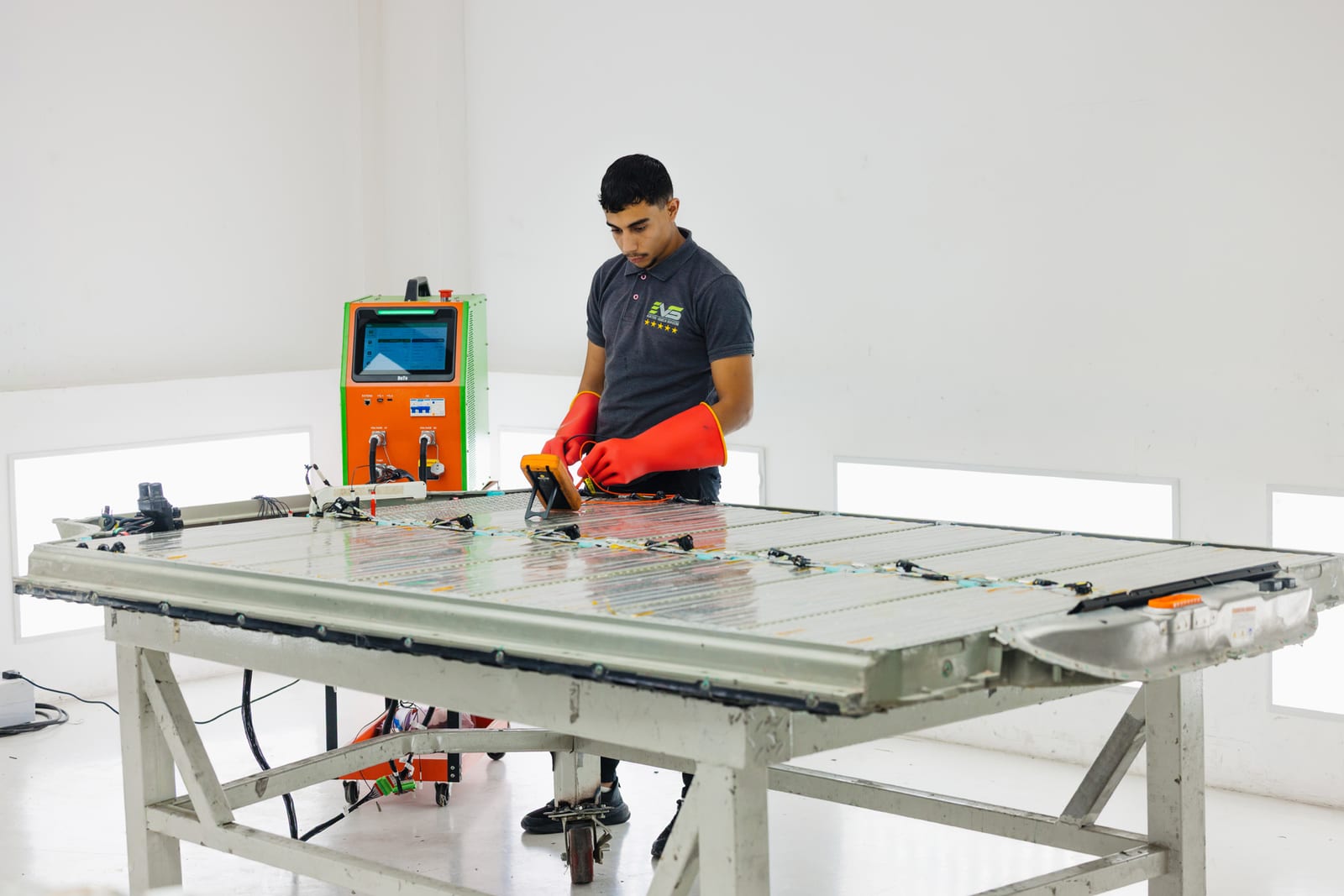
The EV servicing sector is currently facing a shortage of technicians with the necessary skills and training to work on high-voltage systems. This scarcity can lead to longer wait times for servicing and increased operational costs for fleets that require timely maintenance. As a result, fleets and insurers are increasingly investing in training programs for their existing workforce or seeking partnerships with specialized service providers like EVS, which offers comprehensive training and technical support.
The regulatory landscape for EVs is continually evolving, with new laws and guidelines being introduced regularly. Fleets and insurers must stay abreast of these changes to ensure compliance and avoid potential penalties. This necessitates a proactive approach to procurement, where service providers can demonstrate their ability to adapt to regulatory changes and provide compliant services.
EVS Worldwide is committed to equipping franchise partners with the necessary tools and knowledge to succeed in the EV servicing market. Our training programs cover:
Our franchise model is designed to support operators in establishing successful EV service centres. We provide:
EVS operates on a hub and spoke model that allows for deep capability in flagship hubs while managing routine volume through local satellite centres. This ensures that fleets have access to specialized services while maintaining efficiency and cost-effectiveness.
Fleet operators consider total cost of ownership, service level agreements, technical capabilities, and geographical coverage when selecting an EV service provider. These factors help them ensure operational efficiency and compliance with regulations.
Market intelligence provides valuable insights into fleet size, reachable servicing share, incumbent ownership of aftersales, and legal requirements. This information helps fleets and insurers make informed decisions and justify their choices to stakeholders.
Fleets face challenges such as balancing cost and quality, a limited availability of skilled technicians, and the need to comply with evolving regulations. These challenges necessitate strategic procurement decisions and partnerships with specialized service providers.
EVS Worldwide offers comprehensive training and support, a proven operating model, and access to market entry research. This equips franchise partners with the tools needed to succeed in the EV servicing market while addressing common challenges.
Battery health certification provides a non-invasive assessment of a vehicle's battery condition, which is crucial for determining its residual value. This certification is accepted by dealers and insurers, enhancing the credibility of the service provided.
As the EV market continues to evolve in 2026, understanding how fleets and insurers approach EV servicing procurement is essential for stakeholders in the automotive aftersales industry. By focusing on total cost of ownership, service level agreements, and technical capabilities, fleets can make informed decisions that align with their operational needs. EVS Worldwide stands ready to support franchise partners in navigating this dynamic landscape, providing the necessary tools and insights to succeed in the growing EV servicing market.
For more information on how to become a franchise partner and access valuable market intelligence, enquire about a territory.
01 / The research behind this
Fleet size, addressable service revenue, competition, incentives and a 90-day entry plan — free on request for qualified franchise enquiries.
02 / Related reading
25 Sept 2026 · 6 min read
Explore how the rise of out-of-warranty EVs presents unique opportunities for independent workshops in 2026.
21 Sept 2026 · 6 min read
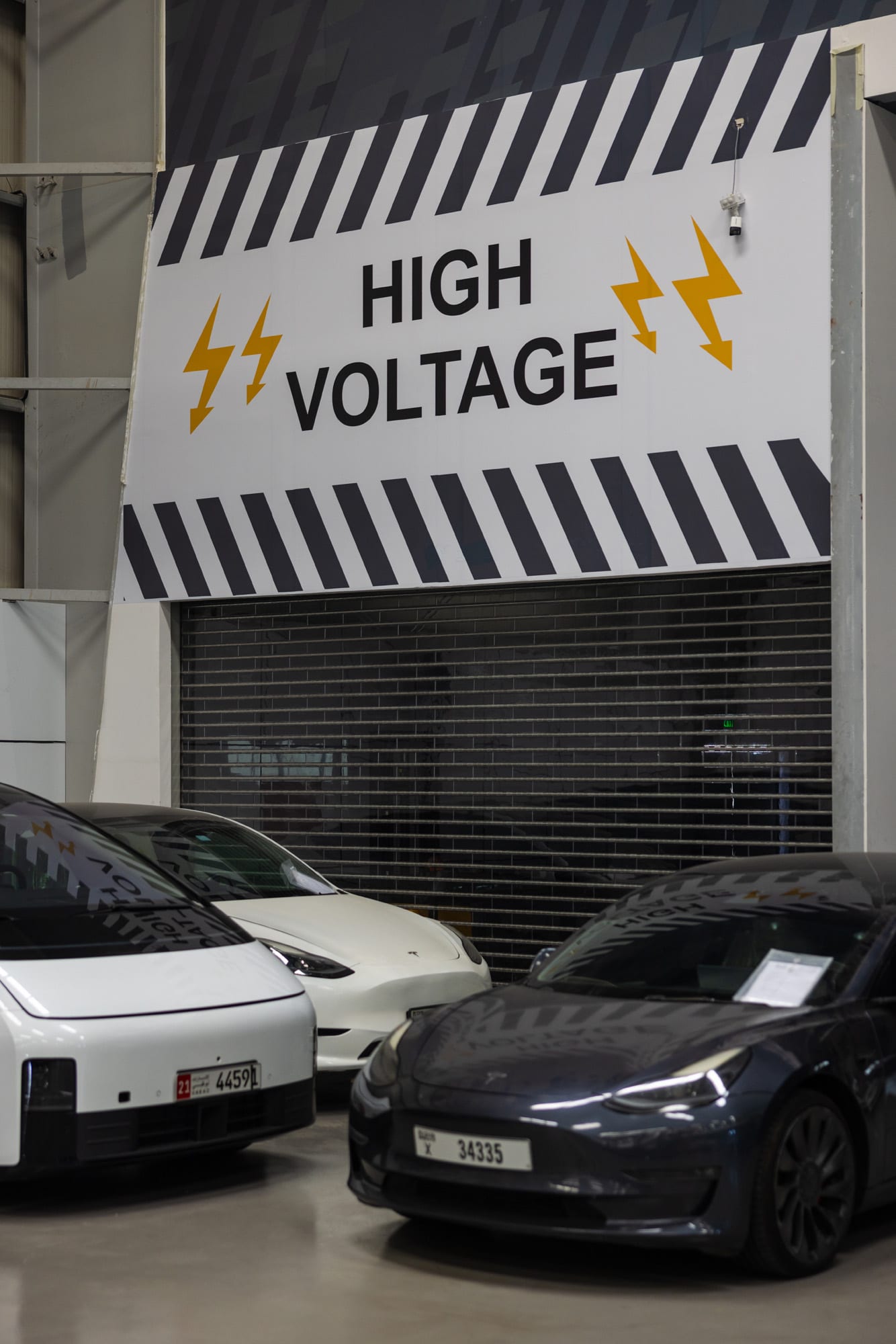
Explore how high-voltage capability enhances EV service centres' appeal to fleet operators in 2026, driving B2B contracts and market success.
16 Aug 2026
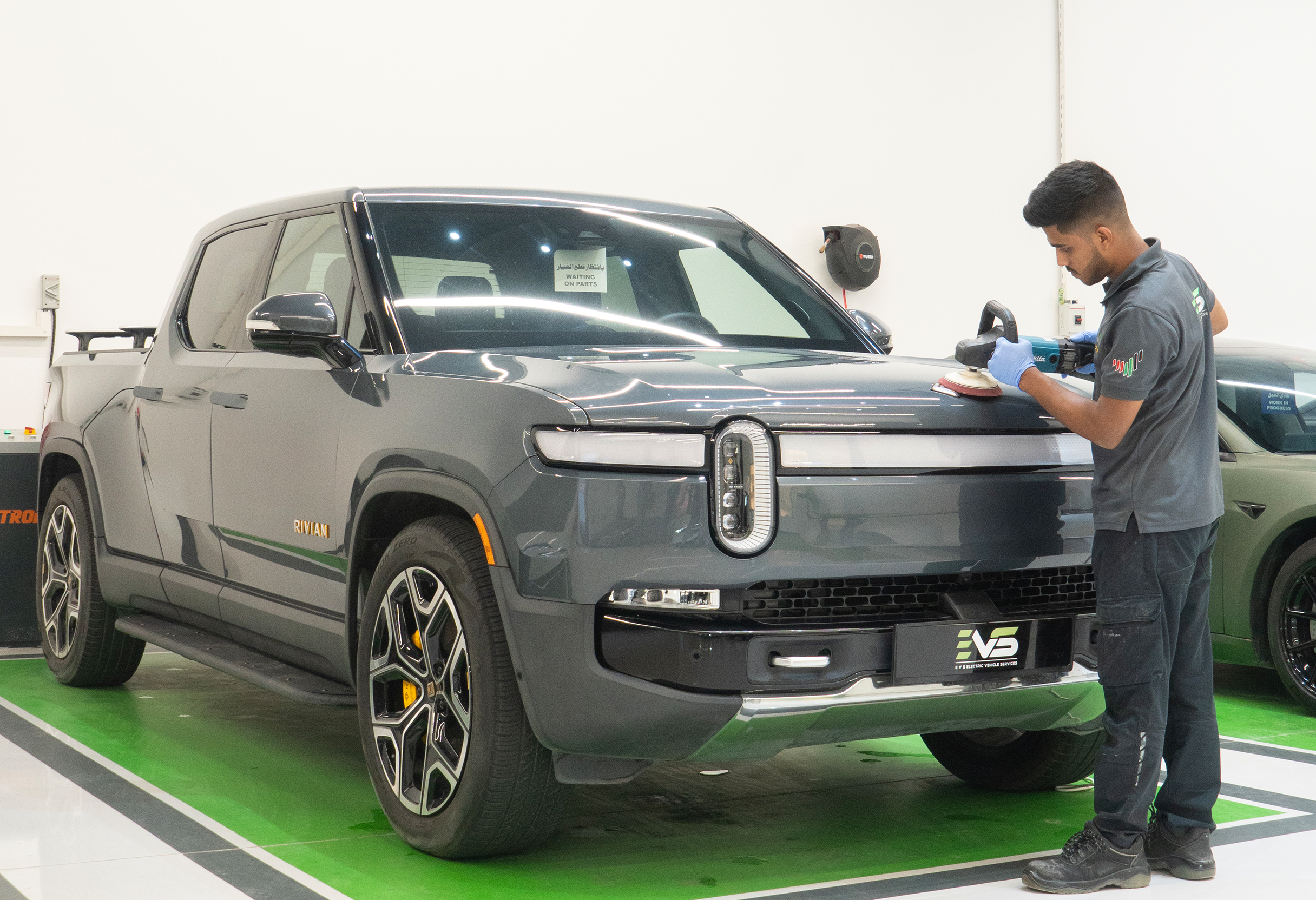
A parked EV is a depreciating asset with a payment plan. How fleet operators structure servicing so downtime, not distance, drives the maintenance calendar.
03 / Not in your country yet?
Tell us your territory. We'll send the market research alongside the franchise pack and connect you with the team behind every EVS centre.