
20 Nov 2026 · 12 min read
Car Repair Franchise in Vietnam: EV Competition
Assess Vietnam’s EV aftersales landscape, the key competitors and what franchise partners should weigh before entering this car repair franchise opportunity.
EVS WorldwideRead
EVS Worldwide/Insights/Franchise
Explore the legal landscape for EV service centres in Turkey in 2026. Understand regulations, compliance, and market entry strategies.
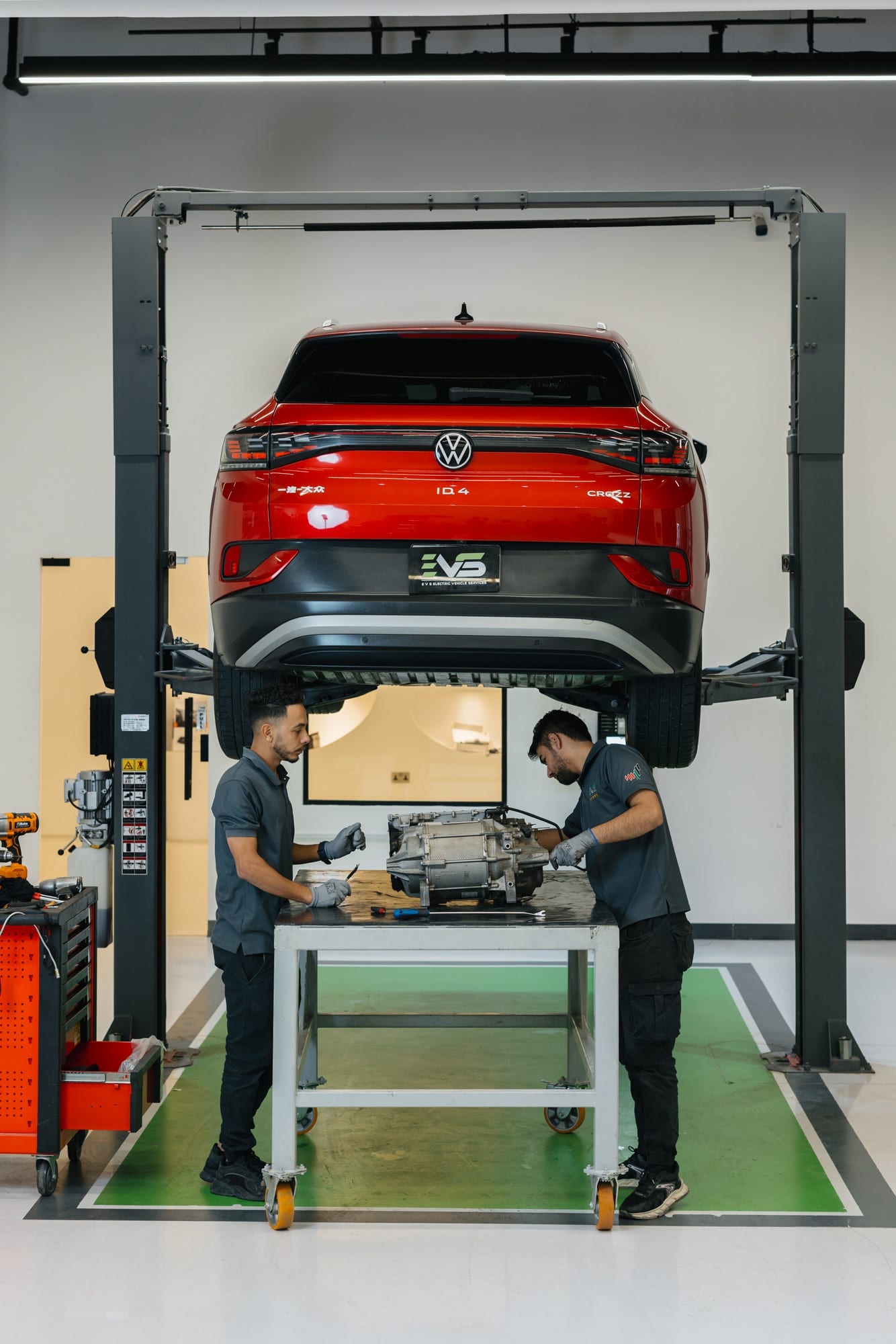
As the electric vehicle (EV) market continues to expand globally, Turkey has emerged as a significant player in the automotive landscape. However, for prospective franchise partners and investors looking to establish EV service centres in Turkey, navigating the legal requirements is crucial. This article provides an in-depth overview of the regulations for EV service centres in Turkey as of 2026, focusing on the specific laws and compliance measures that must be adhered to when entering this burgeoning market.
Turkey has seen a steady rise in the adoption of electric vehicles, driven by government incentives, environmental awareness, and a growing domestic automotive industry. As of 2026, the Turkish government aims to increase the plug-in vehicle parc significantly, with a target of having 1 million electric vehicles on the road by 2030. This ambitious goal is supported by various initiatives, including tax exemptions, grants for EV purchases, and the establishment of charging infrastructure across the country.
The increase in EV adoption creates a corresponding demand for specialised service centres capable of handling the unique requirements of electric vehicles. This demand is not only driven by individual consumers but also by fleet operators and leasing companies that are transitioning to electric fleets. As such, understanding the legal framework for establishing EV service centres in Turkey is paramount for potential franchise partners.
Establishing an EV service centre in Turkey involves navigating a complex regulatory landscape that encompasses various laws and regulations. Here are the key components that prospective franchise partners must be aware of:
To operate an EV service centre in Turkey, businesses must obtain the necessary licenses and registrations. This process typically involves:
EV service centres must adhere to specific technical standards set forth by the Turkish Standards Institute (TSE). These standards cover various aspects of vehicle servicing, including:
Turkey's commitment to sustainability and environmental protection means that EV service centres must comply with environmental regulations. This includes:
The Turkish government places a strong emphasis on ensuring that technicians are adequately trained to service electric vehicles. As such, EV service centres are required to:
Establishing an EV service centre in Turkey also involves understanding the insurance requirements to mitigate risks associated with operating a service facility. Key considerations include:
Given the regulatory landscape, prospective franchise partners must develop effective market entry strategies when establishing EV service centres in Turkey. Here are some strategies to consider:
Before entering the Turkish market, it is essential to conduct thorough market research to assess the demand for EV servicing. This includes analysing:
Engaging with local authorities and regulatory bodies can facilitate the licensing process and ensure compliance with local regulations. This may involve:
Implementing a hub-and-spoke model can enhance operational efficiency and service delivery. This involves:
To ensure compliance with training requirements, franchise partners should invest in training programs for technicians. This can include:
Understanding the legal requirements and regulatory landscape for EV service centres in Turkey is crucial for prospective franchise partners. Failure to comply with these regulations can result in significant penalties, operational delays, and reputational damage. Therefore, operators must approach the establishment of their service centres with a comprehensive understanding of:
As Turkey continues to position itself as a key player in the electric vehicle market, the establishment of specialised EV service centres will be critical to supporting the growing fleet of electric vehicles on the road. For prospective franchise partners, understanding the legal requirements and regulatory landscape is essential to successfully navigating the complexities of entering this market. By adhering to regulations, investing in training, and developing effective market entry strategies, operators can position themselves to capitalise on the opportunities presented by Turkey's transition to electric mobility.
To establish an EV service centre in Turkey, businesses must obtain the necessary licenses and registrations, comply with technical standards set by the Turkish Standards Institute, adhere to environmental regulations, and ensure that technicians receive proper training and certification.
Yes, technicians must undergo training programs that meet national standards for EV servicing, including high-voltage systems and diagnostics. Certification from recognised training institutions is also required.
Conducting thorough market research is essential. This includes analysing local competition, understanding the needs of fleet operators transitioning to electric vehicles, and identifying potential B2B contract opportunities.
Operators must obtain liability insurance to cover potential damages arising from servicing activities, as well as worker’s compensation and health insurance for employees as mandated by Turkish law.
Engaging with local industry associations, networking with stakeholders, and consulting with legal experts familiar with Turkish regulations can help operators stay informed about regulatory changes and industry trends.
To explore franchise opportunities and learn more about establishing an EV service centre in Turkey, enquire about a territory. Gain access to our franchise pack and market intelligence report tailored for your specific territory.
02 / Related reading
20 Nov 2026 · 12 min read
Assess Vietnam’s EV aftersales landscape, the key competitors and what franchise partners should weigh before entering this car repair franchise opportunity.
10 Nov 2026 · 9 min read
Capability, capital, people and work mix — what it actually takes to open an EV repair shop, and the assumption that stalls most conversions from a conventional workshop.
5 Nov 2026 · 12 min read
Understand the unit economics of an EV service centre: cost drivers, B2B revenue streams and what operators should test before entering a territory.
03 / Not in your country yet?
Tell us your territory. We'll send the market research alongside the franchise pack and connect you with the team behind every EVS centre.