Why EV service is a different business from the garage you know
The workshop economics that made petrol aftersales profitable do not transfer to EVs. Here is what replaces them — and why the winners will be specialists.
EREVS Research Desk30 August 2026 · 2 min read · Market Intelligence
The petrol aftersales model is built on scheduled consumption: oil, filters, belts, clutches, exhausts. An electric car deletes most of that list on day one. A battery-electric drivetrain has around twenty moving parts against the roughly two thousand in a combustion powertrain — and no oil to change.
That is usually where the analysis stops, and it is why so many dealer groups quietly fear the transition. But "less servicing" is not the same as "less service business". The work changes shape.
Where the work goes
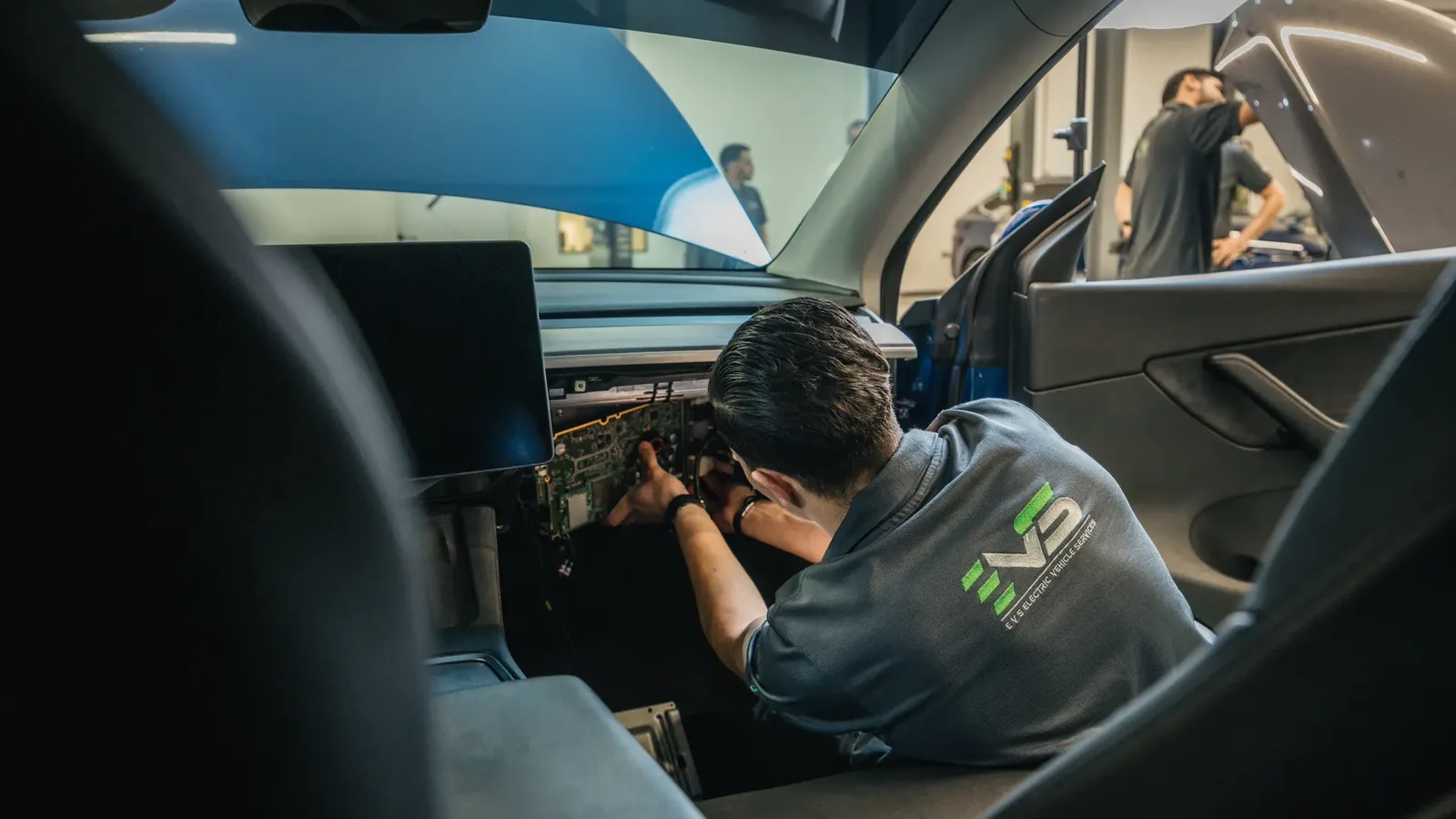
High-voltage diagnostics. When an EV does fault, the fault is rarely mechanical. It lives in the pack, the inverter, the on-board charger or the software between them. Diagnosing it safely requires certified technicians, insulated tooling and manufacturer-grade diagnostic access — an entry barrier a general garage cannot cross casually.
Battery health. The battery is 30–40% of the car's value, and every used-EV transaction now turns on its condition. Certified state-of-health testing is becoming to EVs what the timing-belt stamp was to petrol cars: the thing the buyer asks for first.
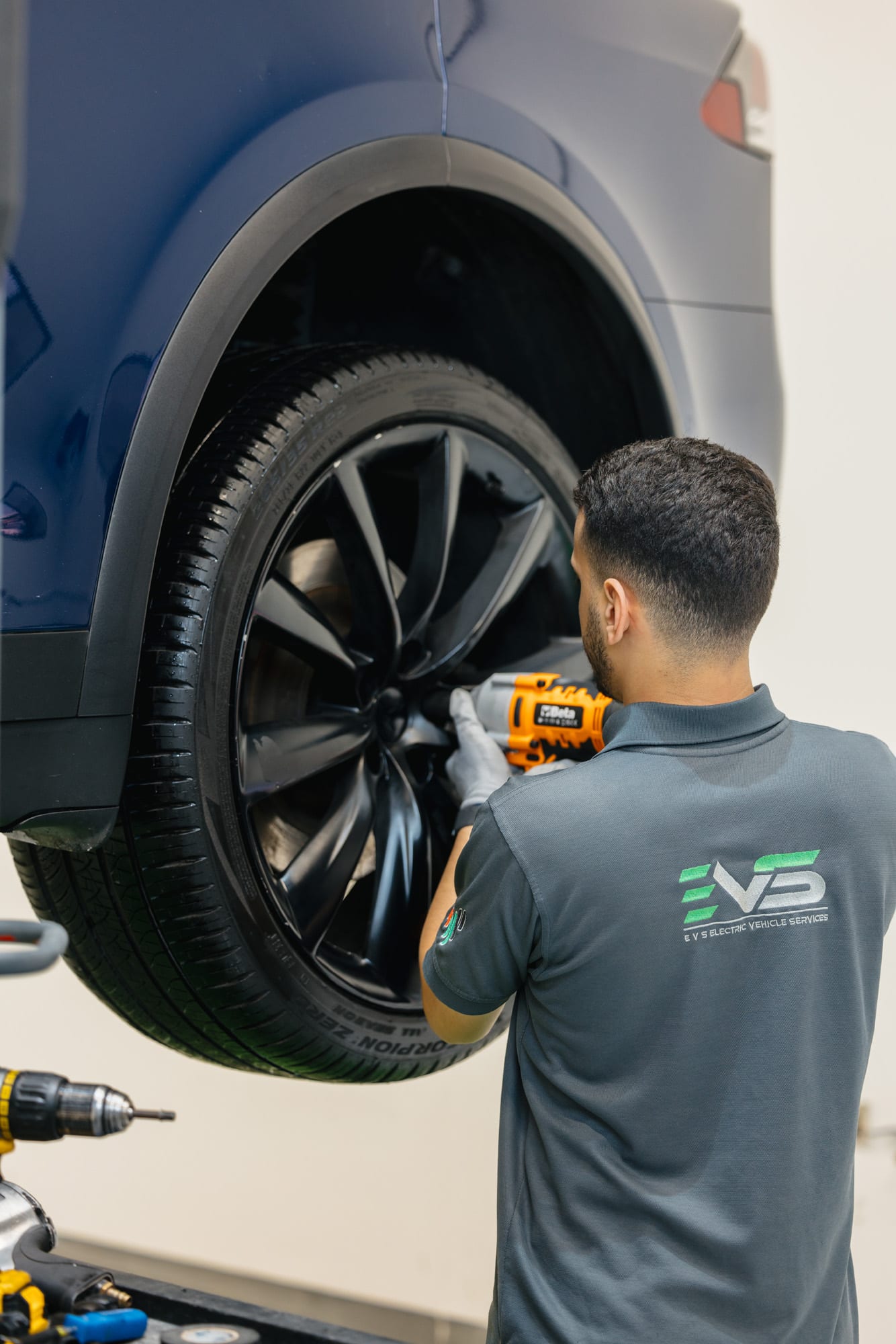
Tyres, brakes and chassis — accelerated. EVs are heavier and deliver torque instantly. Tyre wear runs meaningfully higher than on comparable petrol cars, and regenerative braking changes pad wear patterns in ways that catch out conventional workshops.
Where EV aftersales revenue concentrates
Indicative share of lifetime EV aftersales revenue, EVS country models
Thermal systems. Coolant loops for the pack and power electronics need periodic service, and a failure can strand a car as surely as a dead starter motor once did.
The revenue map, side by side
The clearest way to see the shift is to put the two aftersales models next to each other. Figures are indicative shares of lifetime aftersales revenue per vehicle from our country models:
Revenue line
Petrol car
Electric car
Engine & transmission service
38%
—
Exhaust, clutch, ancillaries
17%
—
High-voltage diagnostics & repair
—
24%
Battery health testing & certification
—
15%
Thermal system service
3%
12%
Tyres
18%
31%
Brakes & chassis
16%
12%
Software, ADAS & calibration
8%
6%
The pool shrinks, but it concentrates — away from the general garage and toward the specialist who is allowed, equipped and trusted to touch it.
The structural winners
The revenue pool per car is smaller — our country models typically land between 40% and 60% of petrol aftersales revenue per vehicle — but it concentrates. It flows away from the thousands of independent garages that cannot touch high-voltage systems, toward the few specialists who can.
That concentration is the opportunity. In every market we assess, the addressable question is not "how much servicing does an EV need?" but "who is allowed, equipped and trusted to do it?" In most countries today, the honest answer is: almost nobody outside the franchised dealer network. That gap is the business.
Tagsev-servicemarket-entryaftersales
Published August 2026 · Updated September 2026All articles
01 / The research behind this
Market reports referenced in this article.
Fleet size, addressable service revenue, competition, incentives and a 90-day entry plan — free on request for qualified franchise enquiries.
The global EV maintenance market: what the forecasts actually say
Forecasts for the global EV maintenance market in 2030 range from $26bn to $194bn. What each one counts, why they diverge, and which number to plan with.