
20 Oct 2026 · 5 min read
EV charging stations in Europe: what the country numbers say
EV charging stations in Europe: three sources count Germany at 211,690, 199,000 and 206,207 points. Why the figures disagree, and which to use.
EVS WorldwideRead
EVS Worldwide/Insights/Market Intelligence
Explore the potential for EV service centres in South Africa in 2026, focusing on plug-in parc and servicing demand for prospective franchise partners.
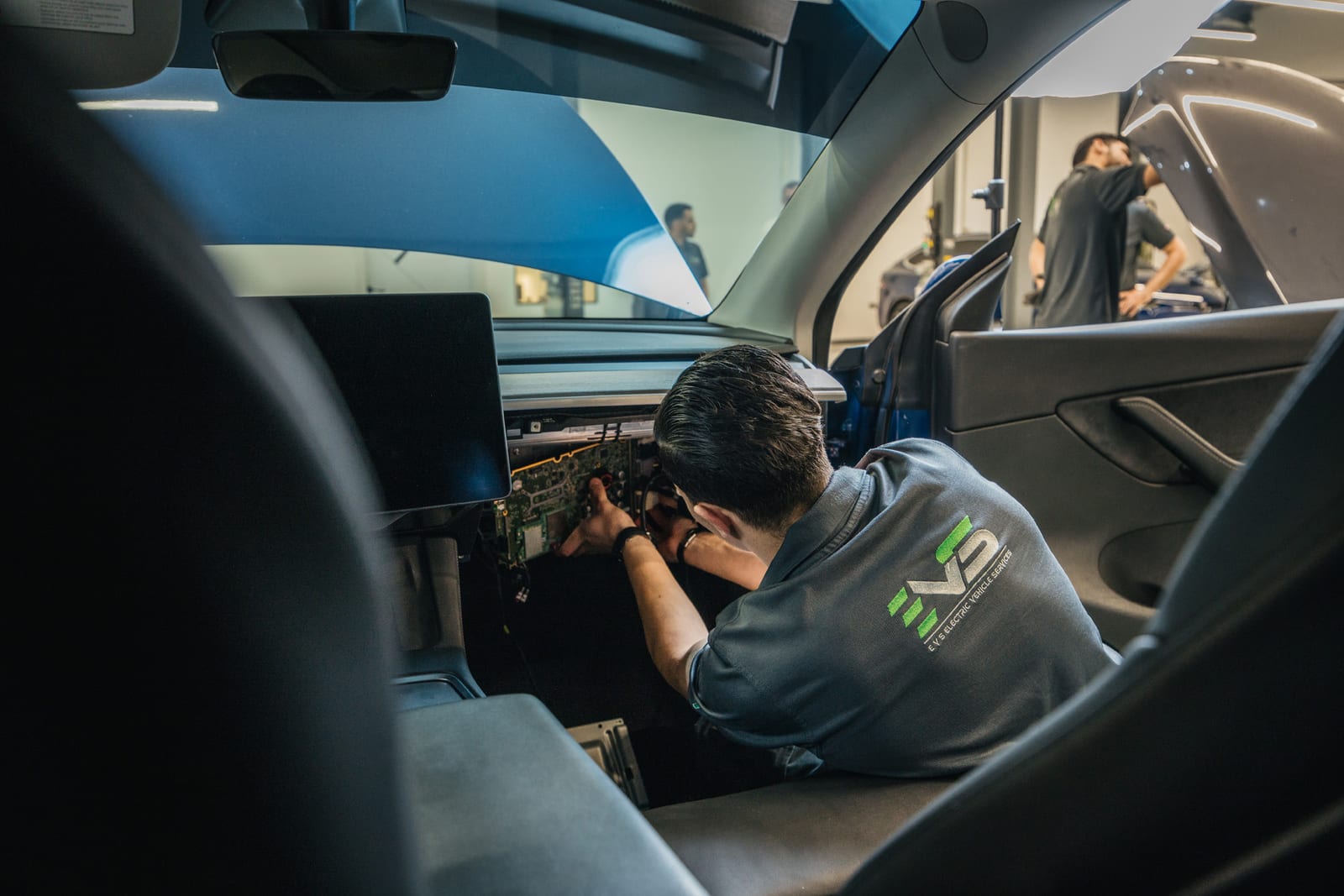
As of 2026, South Africa is witnessing a significant shift towards electric vehicles (EVs), driven by increasing environmental awareness, government incentives, and advancements in EV technology. The plug-in parc in South Africa is projected to grow substantially, making it a compelling market for prospective franchise partners considering automotive franchise opportunities.
The South African government has set ambitious targets to reduce carbon emissions and promote sustainable transport solutions. Initiatives such as tax incentives for electric vehicle purchases and investments in charging infrastructure are pivotal in driving this transition. According to the Department of Transport, the number of registered electric vehicles in South Africa has increased from just 1,000 in 2020 to over 30,000 by 2026, indicating a growing acceptance of EVs among consumers and businesses alike.
The plug-in parc refers to the total number of electric vehicles registered within a specific market. For South Africa, this number is critical in assessing the viability of EV service centres. As of 2026, the plug-in parc in South Africa is approximately 30,000 vehicles, with projections suggesting it could reach 100,000 by 2030.
With the growing plug-in parc comes an increased demand for servicing facilities that can cater to electric vehicles. The servicing demand in South Africa is currently underserved, presenting a unique opportunity for franchise partners.
For potential franchise partners, the current landscape presents both challenges and opportunities. The limited number of service centres means that establishing a dedicated EV service centre could position a franchise partner as a market leader in a rapidly growing sector. Furthermore, as the number of EVs on the road increases, the demand for specialized servicing will only intensify.
Investing in an EV service centre in South Africa is not just a response to market demand; it is also a financially sound decision. A well-structured business model can yield significant returns, especially as the plug-in parc continues to expand.
While the initial investment in setting up an EV service centre may be higher than that of a traditional workshop, the long-term benefits can outweigh these costs. Key considerations include:
Understanding the regulatory landscape is critical for any franchise partner considering entering the South African market. The government's commitment to promoting electric vehicles is accompanied by regulations that impact the operation of EV service centres.
The viability of EV service centres in South Africa is supported by a growing plug-in parc, increasing demand for specialized servicing, and a favourable regulatory environment. For franchise partners, this represents a unique opportunity to establish a foothold in a rapidly expanding market.
As the automotive landscape continues to evolve, the need for dedicated EV service centres will become increasingly apparent. Prospective franchise partners who act now can position themselves at the forefront of this transition, capitalizing on the growing demand for electric vehicle servicing and establishing a profitable business model.
For those considering entering this market, EVS Worldwide offers comprehensive market intelligence and support for franchise partners. By leveraging our insights and expertise, you can navigate the complexities of establishing an EV service centre and position your business for success.
The current plug-in parc in South Africa is approximately 30,000 electric vehicles, with projections suggesting it could reach 100,000 by 2030. This growth is driven by government incentives and increasing consumer acceptance of EVs.
EV service centres typically offer high-voltage diagnostics, battery health certification, thermal management system servicing, and general maintenance for electric vehicles. These services require specialized knowledge and equipment that traditional workshops may lack.
Franchise partners can secure B2B contracts by establishing relationships with fleet operators, leasing companies, and insurers. Offering tailored maintenance packages and demonstrating expertise in EV servicing can attract these clients.
Operating an EV service centre in South Africa requires compliance with safety standards for high-voltage systems and environmental regulations regarding waste management and emissions. Ensuring that technicians are properly trained is also essential.
EVS Worldwide provides comprehensive market intelligence, training, technical support, and access to specialized diagnostic tools for franchise partners. This support is crucial for establishing a successful EV service centre in a competitive market.
For more information on how to become a franchise partner and to access our market intelligence reports, enquire about a territory.
01 / The research behind this
Fleet size, addressable service revenue, competition, incentives and a 90-day entry plan — free on request for qualified franchise enquiries.
02 / Related reading
20 Oct 2026 · 5 min read
EV charging stations in Europe: three sources count Germany at 211,690, 199,000 and 206,207 points. Why the figures disagree, and which to use.
15 Oct 2026 · 8 min read
Explore how government support impacts the EV servicing market in Brazil and Argentina, and what it means for automotive franchise opportunities.
14 Oct 2026 · 7 min read
Two research firms price the Saudi Arabia EV market in 2026 at $5.8bn and $0.64m. What each counts, and which figures are actually verifiable.
03 / Not in your country yet?
Tell us your territory. We'll send the market research alongside the franchise pack and connect you with the team behind every EVS centre.